The Affects Of Altitude On Coffee Beans: Aroma, Flavor And Caffeine Levels
Coffee beans can taste wildly different depending on where and how they’re grown, and altitude plays a pretty big part in that whole story. If you’ve ever sipped a coffee that blew your mind with its aroma and brightness, chances are it was grown at a pretty high elevation. So what’s really happening to those beans when they’re way up on the mountain compared to beans grown down in the valleys? I’ll break down how altitude affects aroma, flavor, and even caffeine levels.
Why Altitude Matters for Coffee Beans
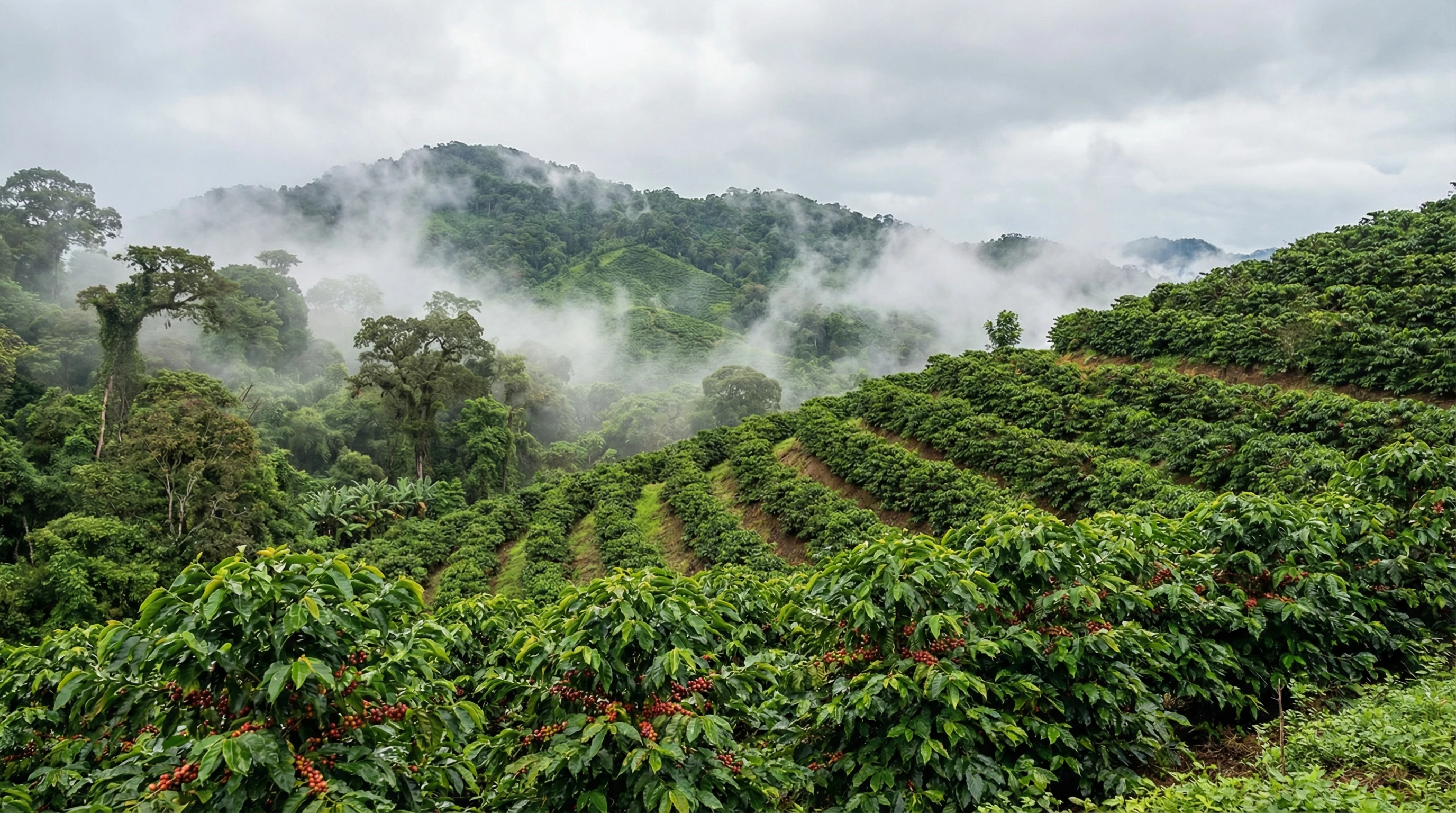
Coffee plants are grown from sea level to over 2,200 meters (about 7,200 feet) above sea level, and this range brings huge changes to the beans. In places like Ethiopia, Colombia, or Uganda, coffee farms often climb high into the cloud forests, while others stay lower and warmer. The differences aren’t just about geography; they actually change the chemical makeup and sensory experience of every cup you brew.
Higher altitudes usually mean cooler temperatures and slower plant growth. When coffee cherries mature more slowly, they have time to develop more complex sugars and acids. This results in more interesting flavors, brighter acidity, and stronger aromas than beans grown at lower, hotter elevations where the fruit ripens faster. Altitude is so important that many specialty bags even list it on the label, so it’s worth paying attention to if you’re chasing certain flavor notes or want to geek out with your morning brew.
Aroma and Flavor: How Elevation Shapes the Experience

Coffee aroma is one of those things you notice right away. The scent of freshly ground beans can be floral, nutty, chocolatey, or even remind you of tropical fruit. High altitude beans tend to carry sharper, more delicate aromas, because the cool mountain air and slower development boost the creation of volatile compounds. These are the molecules that give coffee its distinct bouquet when you open the bag or pour hot water over grinds.
Flavor is just as affected. Beans grown over 1,200 meters (around 4,000 feet) often taste bright, crisp, or tangy, with notes of citrus, berries, jasmine, and even wine. This complexity comes from well-developed sugars and acids that don’t happen as much in lower altitude beans. Down in the lowlands, coffee plants grow faster, so the beans get bulkier but usually have simpler flavors—think nutty, chocolatey, or woody.
I’ve tried coffees from both spectrums, and the difference is like night and day. A high elevation Guatemalan pourover might jump out with notes of green apple and caramel, while a lowland Brazilian espresso leans richer and rounder with hints of cocoa or roasted nuts. Neither is better; it’s just about what you’re into at the moment.
What Really Happens to the Beans at Different Altitudes?
So what’s going on at the plant level? Here are a few big factors:
- Temperature: Cooler mountain air slows the growth cycle.
- Sunlight: High altitudes get more intense sunlight, impacting leaf health and cherry development.
- Rainfall: Mountains often get regular gentle mist or rains, keeping the plants happy but not waterlogged.
- Soil richness: Volcanic and mineral rich soils found at higher elevations add subtle flavors too.
At high altitudes, coffee cherries don’t stress as much about heat or quick growth. Instead, beans turn denser and smaller, which is actually a good thing for specialty coffee. The denser the bean, the more concentrated the compounds and oils inside. This is what gives those explosive aromas and bright, layered flavors.
Altitude and Caffeine: Does Higher Mean Stronger?
If you’re all about the caffeine kick, you might wonder if mountain beans bring more energy into your mug. Turns out, the answer isn’t that straightforward. Caffeine content doesn’t change dramatically with altitude, but there’s a little bit of a trend: beans grown at lower elevations usually have a bit more caffeine than their high altitude cousins.
Why? Caffeine is a natural insect repellent for coffee plants. Down at lower altitudes, there are more bugs to fight off, so plants pump up the caffeine. Up in the mountains, there are fewer pests, so plants ease off. The difference won’t make or break your morning, but you might notice high altitudes coffees feel smoother or less harsh, partly because of their slightly lower caffeine and more balanced acids and sugars.
Comparing Coffee from Different Altitudes: What to Look For
If you’re curious about how altitude impacts what’s in your cup, look for these details when shopping:
- Altitude on the bag: Most specialty roasters will list the growing elevation. Anything above 1,200 meters is generally considered a high altitude coffee.
- Region and country: Places famous for altitude grown beans include Ethiopia, Kenya, Colombia, Guatemala, and more. Not all coffees from these places are high-altitude, but many are.
- Notes and flavor descriptions: Roasters often describe high altitude beans as having fruity, floral, or winelike flavors. Lower altitude beans are more chocolatey, earthy, or nutty.
Trying coffees from a few different elevations side by side can be a fun experience. You’ll probably notice high altitude beans are punchier and thinner in body, while lower altitudes beans are richer and heavier. If you want to check out more differences, organize a small coffee tasting with friends—brew a few selections from different countries and elevations, and see who picks up which notes. This can be a great way to get a feel for how subtle and not so subtle changes in altitude really become noticeable in your daily cup.
Considerations When Buying Altitude Grown Coffee
Buying coffee isn’t just about the taste profile or how much caffeine you want—it’s a holistic experience. Here are some things worth thinking about if you’re hunting down your next bag based on altitude:
- Price: High elevation coffee farms are harder to access, process, and export, so beans often cost more. If you want to splurge or treat yourself, these are worth checking out.
- Freshness: Specialty high altitude beans deserve to be brewed fresh. Beans fade after about 2-4 weeks, so grab what you’ll drink soon.
- Processing method: The way coffee cherries are processed after picking—washed, natural, honey—can also impact flavor. High altitude beans are often washed to highlight their clarity and brightness, but exploring new styles can bring surprises.
- Brewing method: The flavors of altitude shine in manual brew methods like pourover, Aeropress, or Chemex. These bring out delicate notes that might get buried in automatic drip machines.
Another consideration is environmental impact. High elevation farms may practice shade grown coffee farming, which uses native trees to shelter crops and support biodiversity. Shade grown and fair trade certification can give a boost to both flavor and ethics, so if you care about where your beans come from, watch for these labels. Ask your local roaster about their sourcing; sometimes a quick chat reveals more than you expect.
Altitude Related Hurdles for Coffee Farmers
Farming coffee high up the mountains isn’t easy. It takes more effort to harvest, transport, and process beans on steep slopes, and the risks from unpredictable weather are higher. Diseases like leaf rust can hit hard, and extreme rain or dryness can wipe out harvests. Supporting altitude grown coffees helps farmers who are putting in the extra work and facing extra challenges just to give us those next level cups of coffee.
Comparing Real Coffees by Elevation
I’ve tried a few side by sides worth sharing. An Ethiopian Yirgacheffe grown at 1,900 meters had super pronounced floral and citrus notes, making it one of the brightest cups I’ve had. Meanwhile, a Sumatran coffee from 900 meters came out big-bodied and earthy, more comforting and less sparkly.
 If you want a complex, fruity cup, high altitude beans can be a real treat. For a mellow, easygoing brew, lower grown beans are your friend.
To get an even fuller sense, you might visit a local coffee shop doing “origin flights” or sample packs, letting you taste how altitude changes more than just flavor but the whole experience—aro
ma, mouthfeel, finish, and sometimes even the way the caffeine hits. Talk to your barista about the differences; many are happy to give a quick rundown of why they love certain origins or elevations. The world of altitudegrown coffee is surprisingly vast, making exploring it a fun hobby if you have a curious palate.
Frequently Asked Questions
Here are a few common questions about how altitude affects coffee beans:
Question: Does higher altitude always mean better coffee flavor?
Answer: Not always, but high altitude coffees usually have more complex flavors because of slower growth and higher bean density. It depends on your own taste preferences.
Question: Are high altitude coffees more expensive?
Answer: Generally yes, because it’s more challenging to produce and transport coffee from mountainous regions. The extra labor and costs show up in the price, but many fans think it’s totally worth it now and then.
Question: Is there less caffeine in high altitude beans?
Answer: There’s usually a little less caffeine because plants face fewer pests at higher altitudes and don’t need as much natural defense. The difference isn’t dramatic but can be noticeable in the smoothness of the drink.
Question: Can I brew high altitude beans any way I like?
Answer: You totally can, but manual methods like pourover or Chemex can really showcase the unique flavors found in altitude grown beans. Espresso works too if you want those punchy notes in a concentrated cup.
Bringing It All Together: The Impact of Altitude on Coffee

Altitude influences everything from growth rate to bean density and natural sugars. Higher clouds mean brighter acids and aromas, while lower elevations yield earthier, heavier beans with a touch more caffeine. The next tim,e you’re picking a coffee, have a glance at the altitude—it’s one of the best clues about what kind of taste adventure you’re about to go on. Don’t be afraid to try beans from different heights and see which cup truly wakes up your senses in the morning. In the end, whether you’re a high altitude fan or enjoy a good old lowelevation blend, there’s always another cup waiting to surprise you. Time to jump in and see what altitude reveals in your next brew! And always, savor every sip – cheers!