Light, Medium, Or Dark Roast: Which Should You Choose?
Coffee lovers all have a favorite roast, but figuring out whether light, medium, or dark roast is right for you gets confusing fast. The differences go way beyond just color or strength. Each roast style brings its own flavor, body, and even caffeine punch. I’ve brewed my way through all three styles, so I’ll break down what sets them apart and what to expect in your cup.
How Roasting Changes Coffee Beans
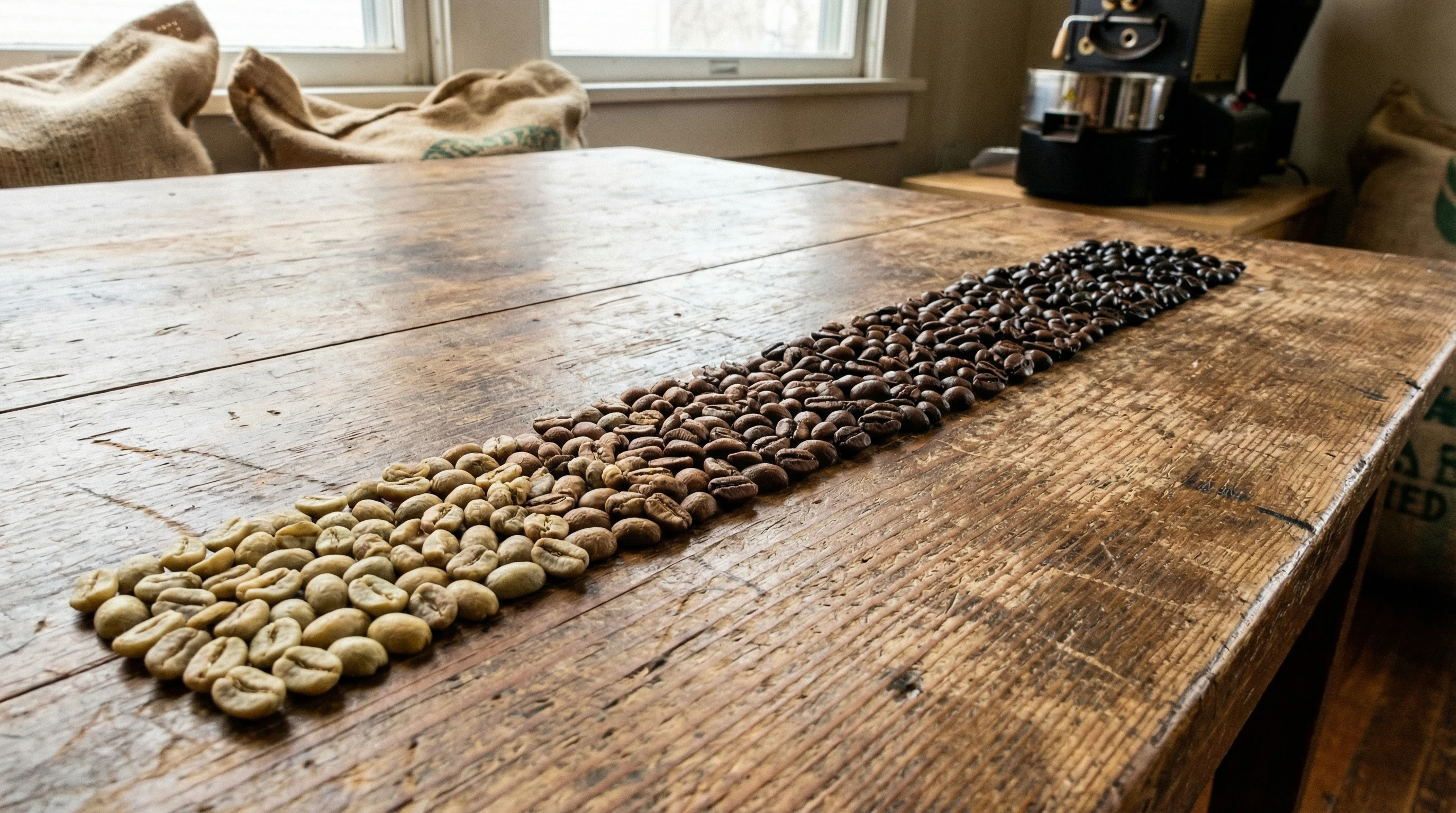
Roasting coffee isn’t just about turning green beans brown. It completely changes the bean’s flavors, aroma, texture, and even how much caffeine winds up in your morning mug. During roasting, heat causes changes in the bean’s chemistry, setting free different oils, sugars, and acids at different points. The longer and hotter the roast, the deeper the color and more pronounced the caramelized flavors.
Every roaster uses their own techniques and timing. That’s why the same bean can taste completely different depending on how it’s roasted. A light roast might show off a coffee’s delicate floral or fruity notes, while a dark roast is more likely to bring out rich, bitter chocolate or smoky flavors.
Light Roast Coffee: What Makes It Unique?
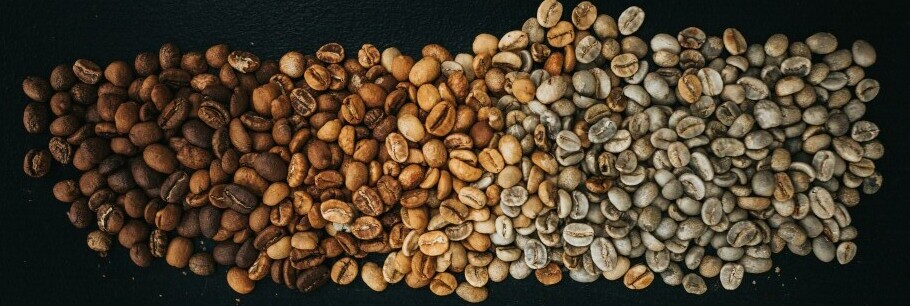
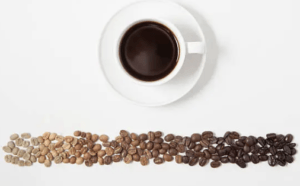
Light roast beans don’t spend as much time in the roaster. They’re typically finished right after the “first crack,” which is the popping sound beans make as they expand. Because the roasting is quick, light roasts keep a lot of the original character from the coffee cherry itself. Expect a lighter brown color on the beans with little to no surface oil showing.
- Flavor Profile: Bright, tangy, and sometimes a bit acidic. Tasting notes often lean toward citrus, berry, or floral flavors. If you want to experience what makes a singleorigin coffee special, a light roast shows it best.
- Body: Usually lighter compared to darker roasts. You’ll notice more crispness, almost like a tealikemouthfeel.
- Caffeine Content: Contrary to what some think, light roasts don’t lose much caffeine. You might actually get slightly more in a scoop because the beans are denser than with longer roasts.
Light roasts are celebrated for their complexity and uniqueness. Specialty cafes and roasters often use light roasts to spotlight beans from special origins or rare lots because the process keeps more of the bean’s unique essence front and center. If you’re into trying coffees that surprise your palate, check out a variety of light roasts from different regions. Their vivid flavors can really wake up your taste buds and provide a fun twist on your coffee ritual.
Medium Roast Coffee: The Versatile Middle Ground
Medium roast sits right between the brightness of light roasts and the richness of dark roasts. The roasting process goes a little longer, but beans are pulled before hitting the second “crack.” The color is a classic rich brown, and you’ll sometimes notice just a hint of sheen from natural oils on the surface.
- Flavor Profile: Balanced and approachable. Medium roasts are known for mellow acidity with a boost in sweetness, especially caramel and nutty flavors. There’s often still some fruitiness, but it’s softer and a little more rounded compared to light roasts.
- Body: Mediumbodied, providing that “just right” feeling—not too watery or heavy. This makes medium roast the choice for drip coffee, pourovers, and most brewing styles.
- Caffeine Content: Nearly the same as light roast per bean, but slightly lower by volume because the beans expand as they roast. In home brewing, you’d have a hard time noticing any real difference in caffeine kick between medium and light roasts.
Medium roast often appeals to a wide range of drinkers. If you’re sharing coffee with friends or family and everyone has different tastes, medium is a safe bet. It can shine with or without milk and handles various brewing methods beautifully, from classic drip to trendy manual brewers. That’s why medium roasts stay the popular pick in cafes and grocery stores alike.
Dark Roast Coffee: Deep, Bold, and Intense
Dark roast beans are kept roasting the longest, passing well beyond the second crack. These beans are glossy with oil and much darker brown, even near black. The flavors from the original bean get roasted out, so you taste more of the roasting process itself instead of the bean’s origin characteristics.
- Flavor Profile: Heavier, deeper flavors. Expect less acidity and more chocolate, toasted nuts, caramel, or even a smoky edge. Some blends can have hints of spice or earthiness. Fruity or floral notes take a backseat here.
- Body: Fullbodied, sometimes syrupy. Dark roasts feel rich and bold—perfect for espresso shots or if you want a huge coffee punch.
- Caffeine Content: Marginally lower by volume, since beans lose more moisture and expand, but this barely changes the caffeine you actually get per cup.
The intense nature of dark roast makes it a go-to for folks who like a robust cup. It’s also resilient to added milk, cream, or sweeteners. The roasted, bittersweet taste shines through even when you’re making lattes or mochas. Give a dark roast a try if you want something with a lot of depth and less brightness in your cup.
Choosing a Roast to Match Your Taste
Coffee quickly becomes a personal adventure—there’s no absolute right answer for everyone. If you’re not sure where to start, think about what flavors and mouthfeel you enjoy most from food or other drinks. That’s usually a clue for which roast you’ll love.
- If you want your coffee to be fragrant and almost juicy, light roast is probably your thing.
- If you like a crowdpleaser that’s not too tart or too strong, medium roast is super flexible and easy to enjoy.
- If you prefer a rich, robust cup with heavy flavor, dark roast will hit the spot.
If you mostly add milk, cream, or sugar, medium and dark roasts stand up well to extras. Lighter roasts are best enjoyed black. This way, you can actually taste those delicate and complex notes.
Other Things Worth Considering
- Brewing Method: Some brewing styles bring out the best in certain roasts. Pourover and Aeropress can highlight the bright, layered flavors of light and medium roasts. French press and espresso tend to suit the deeper body of medium and dark roasts.
- Freshness: Always look for freshly roasted beans, no matter the roast style. Freshness is crucial for all types, but it matters most for light and medium roasts since their flavors fade quickly.
- Origin & Processing: Where the beans come from changes things almost as much as the roast itself. A light roast from Ethiopia will taste wild compared to a medium roast from Colombia, thanks to the soil, climate, and how the beans are processed after harvest.
If you love experimenting, grab a sampler pack with different roast levels. Brew them side by side and compare. A taste test is honestly the best way to spot the subtle differences and figure out which roast you prefer most.
Common Challenges Picking the Right Roast
Standing in front of a wall of coffee bags at the grocery store can be overwhelming. Words like “French,” “Italian,” “City,” “Breakfast,” or “Espresso” on the labels add layers of confusion. These are often just creative ways of describing roast styles; “French” and “Italian,” for example, usually mean dark roast. Don’t let the names stress you out. Focus on the basic light, medium, or dark categories, and sample until you track down what you like best.
If you find yourself not enjoying your coffee, switching the roast—even with the same brand and origin—can usually fix it. Sometimes, it just takes a bit of trial and error to stumble upon your go-to cup.
Troubleshooting: When Your Brew Doesn’t Taste Right
Trying a new roast and getting a weird or disappointing cup happens to everyone. Here are some quick fixes I’ve found super useful:
- Your coffee is sour or sharp. You might prefer medium or dark roast for a rounder taste. Or your water temperature could be too low.
- Your coffee is bitter or burned. Try a lighter roast, or doublecheck to be sure your beans weren’t overextracted during brewing.
- Coffee feels thin or weak. Use a bit more coffee grounds, or switch up the grind size and brew time. Light roasts usually need a finer grind or longer extraction to bring out flavors.
Sometimes, just changing the roast style can make a surprising difference in how much you enjoy your routine cup. Make small tweaks until you find the cup that fits you best.
Frequently Asked Questions about Coffee Roasts
Is dark roast stronger than light roast?
Not really. Dark roast coffee tastes stronger because it’s bolder and more intense, but it doesn’t necessarily have more caffeine. Light roasts can actually pack a touch more caffeine per scoop.
Do coffee roasts matter for cold brew?
Definitely. Cold brew with light or medium roasts brings out sweet and fruity notes, while dark roast cold brew is chocolaty and smooth. Try both and see which one matches your taste.
Why do some coffees taste smoky or burnt?
This usually comes from dark roasting or poorly controlled roasting temperatures. Some folks love that roastiness, while others prefer the subtler taste of a medium or light roast.
Are espresso beans always a specific roast?
No strict rules here. Espresso can come from any roast, but dark and medium roasts tend to highlight bold flavors and thick body, which work well for espresso drinks.
Finding Your Favorite: My Recommendation
Picking your roast is all about exploring your preferences and not overthinking the “rules.” Sample a handful of different types, switch up your brewing methods, and jot down what stands out to you about each cup. As you brew and taste more, your palate will grow and you’ll get a sense for whether you lean toward juicy light roasts, balanced medium roasts, or bold dark roasts. Every batch is a new chance to stumble upon a flavor you didn’t expect to enjoy.
Enjoy all the variety that coffee has to offer, and don’t be afraid to mix things up depending on your mood or how you’re brewing. No matter your roast, fresh beans and careful brewing make every cup worth enjoying. Savor every sip!