Is Mushroom Coffee Really Good For You?
If you’re an avid coffee drinker who’s always looking for new wellness trends, mushroom coffee probably sounds both intriguing and a bit confusing. For a long time, I just assumed mushroom coffee meant tossing powdered mushrooms into regular coffee; but there’s more to it than that. Mushroom coffee actually blends ground coffee beans with medicinal mushroom extracts, bringing a bunch of unique perks that go way beyond your regular brew.
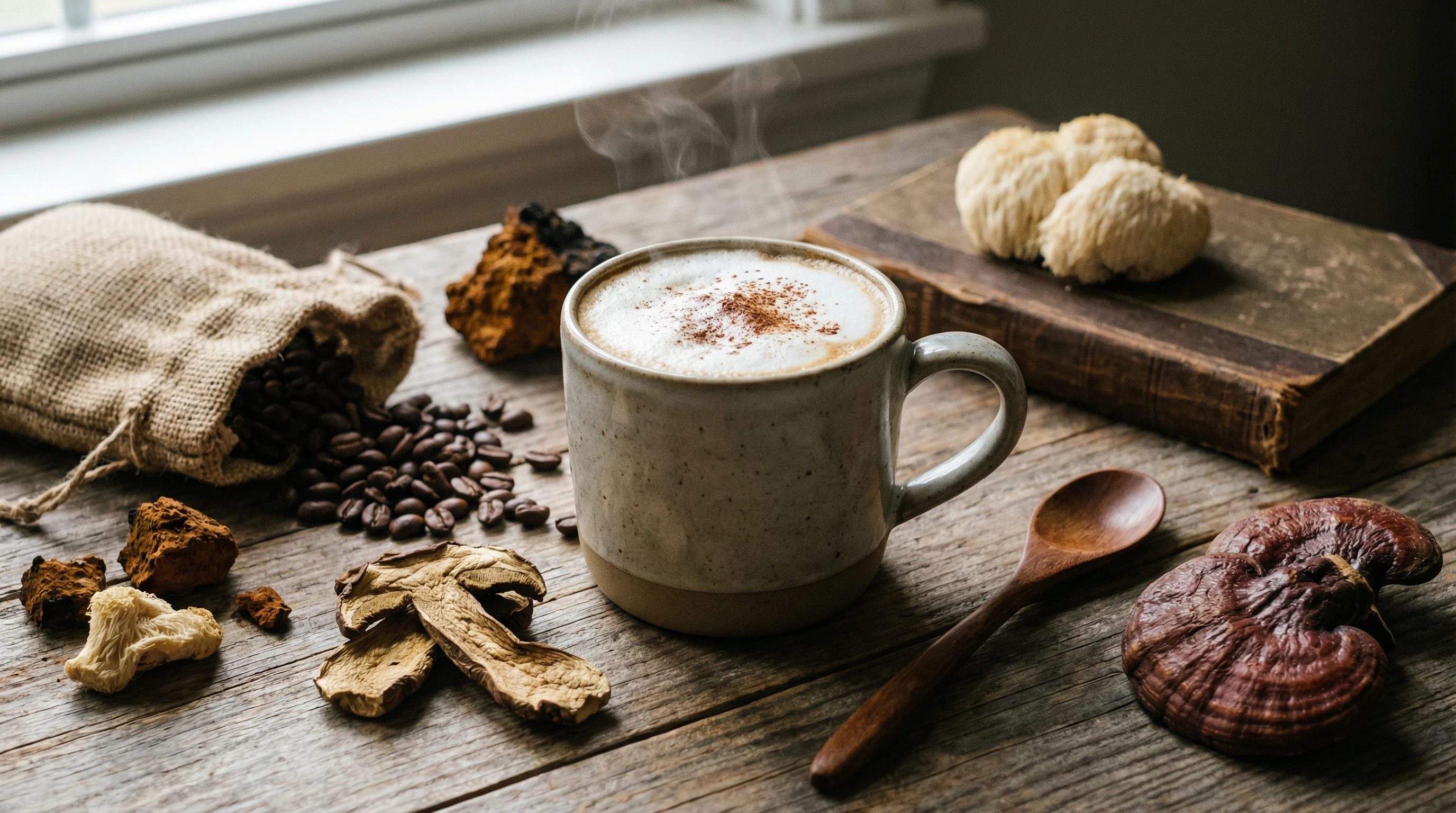
What Is Mushroom Coffee? A Quick Overview
Mushroom coffee mixes traditional ground coffee beans with adaptogenic mushroom powders like lion’s mane, chaga, reishi, or cordyceps. These mushrooms aren’t the types you’d find sauteed on a pizza—they’re prized for their functional health compounds and have been used in traditional medicine for centuries. When blended, the mushrooms add an earthy note, but the coffee still tastes pretty familiar overall.
This coffee isn’t about psychedelic effects, and you won’t get any sort of high from it. Instead, it’s all about packing your daily cup with extra nutrients and health benefits. Most brands use extracts, so you’re getting the helpful compounds without the tough, woody texture of whole dried mushrooms.
Main Benefits of Mushroom Coffee
People turn to mushroom coffee for more than just flavor. The health perks are what really make it stand out. Here are some of the big reasons folks trade in their regular brew for mushroom blends:

- Balanced Energy: The combination of coffee and adaptogenic mushrooms usually delivers steady energy without the crashes or jitters you’d get from plain coffee.
- Gutfriendly: Mushrooms, especially chaga and reishi, have prebiotic fibers. These support healthy gut flora, which is super important for digestion and immunity.
- Immune Support: Many functional mushrooms can support your immune system thanks to compounds called betaglucans.
- Mental Focus: Lion’s mane is gaining a reputation for supporting brain function and focus, and when blended with coffee’s natural caffeine, can help sharpen mental clarity.
- Lower Acidity: Some folks who struggle with the acidity of regular coffee find mushroom blends easier on the stomach.
How Mushroom Coffee Delivers Milder Energy
If regular coffee has you buzzing for half an hour, then crashing, mushroom coffee offers a gentler ride. The adaptogens in mushrooms work alongside caffeine to even things out. You still get the kick of caffeination, but you might notice your energy lingering longer and feeling more stable. That’s especially true if you tend to feel anxious or jittery after a big cup of standard coffee.
The mixture does this by helping your body manage stress and balance cortisol, which is known as the stress hormone. Adaptogens are best known for helping your body deal with challenges and changes, which is why they have their name. So if you want a productive boost without the afternoon slump, mushroom coffee is worth checking out.
Supporting Digestion and a Healthy Gut
Digestive issues are a real concern for lots of coffee lovers. Some people just can’t handle regular coffee’s acidity or its tendency to upset the gut. Mushroom coffee often helps here in a few ways. The mushrooms—like chaga and reishi—contain polysaccharides and prebiotic fibers, which encourage the growth of good bacteria in your digestive tract. Better gut health means stronger absorption of nutrients from food, and it plays a role in your immune function, too.
The lower acidity is also a big bonus for stomach comfort. While everyone’s sensitivity is different, it’s one of the most common pieces of feedback I hear from people who switch to mushroom coffee.
Research on Mushroom Coffee: What’s Backed by Science?

It’s easy to dismiss mushroom coffee as just another health fad, but some of the benefits are backed by a growing body of research. Lion’s mane mushrooms have been studied for their effects on memory and mental clarity. One study found that supplementing with lion’s mane improved memory and focus in adults, especially older adults (NCBI).
Betaglucans (present in chaga, turkey tail, and other medicinal mushrooms) have been shown in research to help regulate the immune system. Some people even notice less frequent colds and faster recovery from illness with regular use.
While there’s less research on mushroom coffee specifically, studies about these mushrooms as isolated extracts show promising results for immunity, gut health, and stress management. The key is that mushroom coffee delivers smaller, but more consistent doses.
Common Mushrooms in Mushroom Coffee and What They Do
- Lion’s Mane: Popular for neuroprotective properties; may support concentration and mental clarity.
- Chaga: Full of antioxidants which help combat oxidative stress and support a healthy immune system.
- Reishi: Has antiinflammatory and immune-balancing effects, and may also help with relaxation.
- Cordyceps: Known for supporting physical stamina; sometimes used by athletes.
Each company puts its own spin on the blend, so some coffee will focus more on relaxation and use reishi, while others add a boost of lion’s mane for brain function.
Things to Consider Before Trying Mushroom Coffee
No single health product is perfect for everyone. Mushroom coffee is no different. Here are a few points people should think about before adding it to their day:

- Flavor: Some blends have an earthy or woodsy undertone. If you’re picky about your coffee flavors, sample a few brands to find one you’re into.
- Caffeine Content: Not all mushroom coffees are decaf; many use regular coffee beans, so check the label if you watch your caffeine intake.
- Allergies and Interactions: Anyone with mushroom allergies or immune disorders should check with a healthcare professional first.
- Quality: Look for brands that use highquality, organic mushrooms and thirdparty testing. Not all supplements are created equal.
Flavor Adjustment
The flavor of mushroom coffee might surprise you. Some people find it indistinguishable from regular coffee, while others say it’s slightly more earthy. If you tend to enjoy black coffee, you’ll probably adjust pretty fast. For those who like cream and sugar in their cup, chances are you’ll mask any unusual notes right away.
Dosage and Frequency
Most brands recommend one to two servings per day. Because mushroom powders are powerful, a moderate approach works fine. Taking too much doesn’t seem to offer extra benefit and, like with regular coffee, could upset your stomach if you overdo it.
Tips for Getting the Most from Mushroom Coffee
Starting with good ingredients is just the first step. Here are a few tips to help you get the most out of your mushroom coffee routine:
- Mix Well: Mushroom powders sometimes settle, so give your cup a good stir or use a frother for the best texture.
- Pair with Good Habits: Drinking mushroom coffee is way more effective when paired with regular sleep, hydration, and a balanced diet.
- Try Different Blends: Every mushroom offers something different. If you need more brain focus, look for lion’s mane; for immunity, search out chaga and reishi blends.
Real World Uses: Who Should Try Mushroom Coffee?
Mushroom coffee is especially popular with people who care about both energy and wellbeing. Here are a few real world examples I’ve seen:

- Students and professionals: Folks who want to stay focused during long days and nights, but don’t want the jittery side effects of strong coffee.
- Athletes: Those looking for cleaner preworkout energy, with some cordyceps or lion’s mane to promote endurance and focus.
- Anyone with stomach sensitivity: Coffee lovers who still want their morning cup but need something easier on digestion.
- Wellness enthusiasts: People focused on immunity, longterm brain health, and balanced energy find mushroom coffee blends fit right in with their daily routines.
Frequently Asked Questions
Q: Does mushroom coffee taste like mushrooms?
A: Most mushroom coffee blends taste very similar to regular coffee. There is usually only a mild earthy note, which a bit of milk or sweetener covers up easily.
Q: Can I make mushroom coffee at home?
A: Absolutely. You can buy mushroom powders or extracts (like lion’s mane or chaga), and mix them directly into your brewed coffee. Buying from a reputable supplier is super important for quality and safety.
Q: Are there any side effects?
A: Side effects are rare but can include mild digestive upset or allergic reactions in folks sensitive to mushrooms. It’s always smart to start slow, and talk to your doctor if you have health concerns.
Q: Is it suitable for people who avoid caffeine?
A: Some brands offer decaf versions, but many blends use regular coffee beans. If you’re sensitive to caffeine, stick with decaf or try just the mushroom blends in hot water or tea.
Wrapping Up

Mushroom coffee is a unique way to upgrade your morning brew with wellness benefits, ranging from steady energy to immune support and better gut health. Whether you’re a health nut, a busy professional, or just need a coffee that’s easier on the stomach, it’s definitely worth a try. As always, picking quality products and listening to your body is super important. Savor Every Sip!