How To Make Better Coffee At Home (Beginner’s Guide)
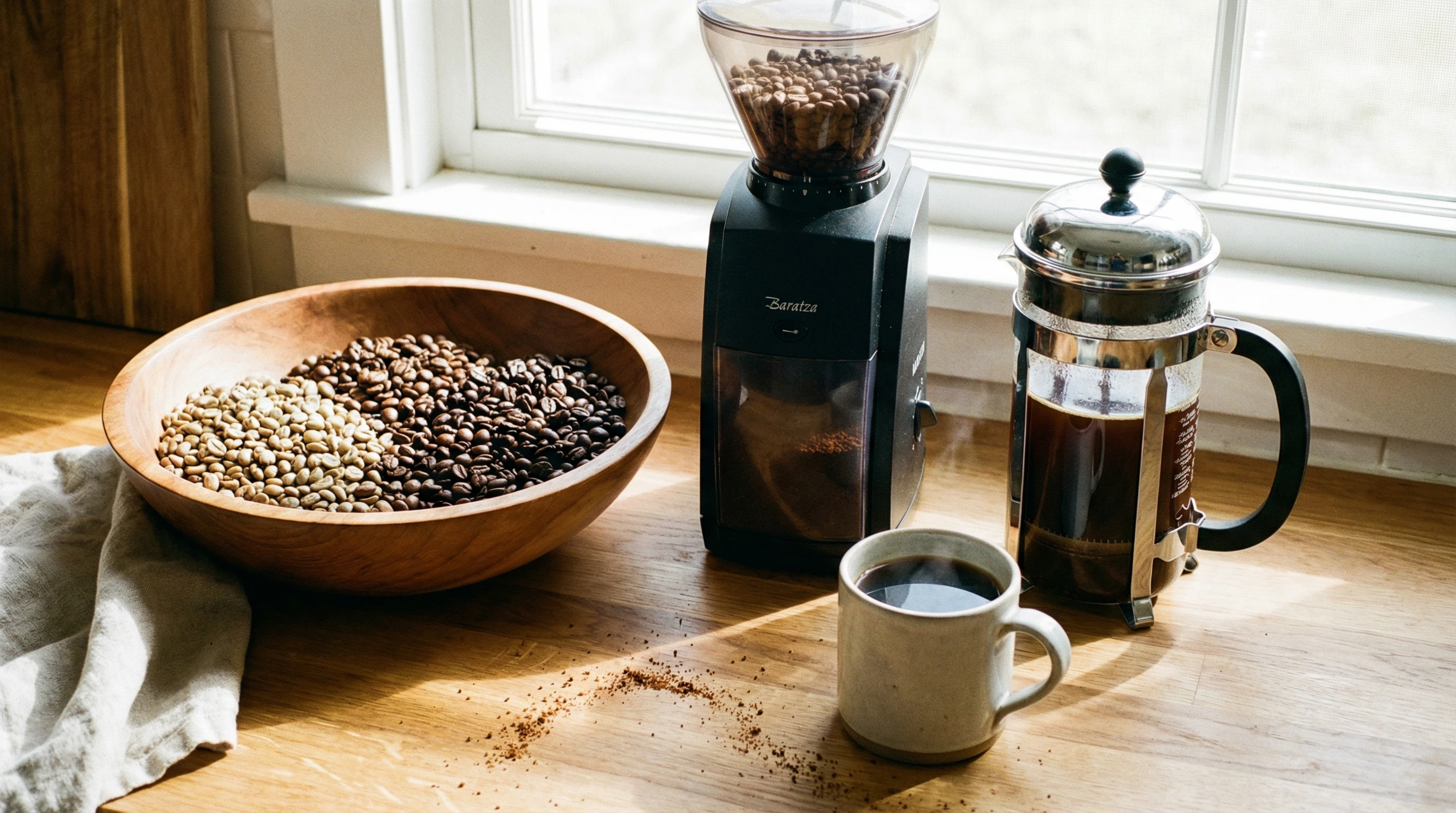
If you’ve ever brewed coffee at home and felt like it wasn’t quite matching what you get at your local café, you’re definitely not alone. A fresh cup in the morning can really start things off right; but sometimes homemade coffee tastes dull, weak, or just off. The cool thing is, making better coffee at home doesn’t take fancy barista skills or expensive gear. A few simple tweaks make a huge difference, and you don’t need a lot to get things moving in the right direction.
This is my beginnerfriendly guide to better coffee that actually tastes good. From picking the right beans to dialing in your grind, it covers what I wish I’d known sooner. If you’re after simple ways to upgrade your daily coffee, you’re in the right place. By the end, you’ll feel way more confident in your home brewing and probably start enjoying your coffee a lot more.
1. Choose Fresh, Quality Coffee Beans
Every great cup of coffee starts with the beans. Pre ground coffee from the store works in a pinch, but whole beans taste way better. Here’s why: once beans are ground, they lose freshness fast; sometimes in just a few days.
What to Look for:
- Roast Date: Grab a bag with a recent roast date, not an expiration date. Fresher beans always come through with more flavor.
- Whole Beans: Go for whole beans whenever you can and grind them when you’re ready to brew.
- Local Roasters: Check out local or small batch roasters for beans that haven’t been sitting on the shelf for ages. They often have helpful staff who can point you toward popular light, medium, or dark roasts based on what you like.
If you’re new to specialty beans, try a medium roast—it’s a safe middle ground between the brightness of light roasts and the boldness of dark ones. You might stumble upon unique blends at your farmers market or local coffee shop that you wouldn’t find in a grocery store.
2. Store Beans Properly
Once you’ve picked up fresh beans, you want to keep them that way. I used to leave mine in the bag on the counter, but this actually kills the flavor over time.
Better Ways to Store Coffee:
- Use an airtight container.
- Keep beans cool and away from sunlight. Inside a cupboard works well.
- Avoid the fridge or freezer. Moisture is a flavor killer. Room temperature is just fine unless you need long term storage.
These easy changes can keep your beans fresh for up to a couple of weeks after opening. If you really want to get a boost in preservation, you could invest in a vacuum sealed canister, but an old mason jar works fine too. The big thing is limiting their exposure to air, moisture, and light.
3. Grind Before Brewing

Grinding beans right before brewing is one of the easiest ways to get bettertasting coffee at home. Ground coffee loses its best flavors almost immediately, so if you can, invest in a basic burr grinder. I used an old blade grinder for a while, but once I switched to a burr grinder, I really noticed a jump in quality. Burr grinders give a more consistent grind size, which is super important for balanced extraction and taste.
Choosing the Right Grind Size:
- Coarse: French press, cold brew.
- Medium: Drip machines, pourover.
- Fine: Espresso machines.
Match the grind size to your method. Too fine for a French press? Your coffee will taste bitter and be full of sludge. Too coarse for espresso? Weak and underwhelming. Remember, how you grind is as important as what you grind.
4. Use the Right Water
Water is the biggest ingredient in coffee, so it makes sense that its quality matters a lot. Tap water is fine for most people, but if yours tastes weird or has lots of minerals, it’ll affect your coffee. Funny tasting water turns into funny tasting coffee.
What Works Best:
- Filtered water usually tastes cleaner and makes a smoother cup.
- Don’t use distilled water; it needs some minerals for the coffee to come out right.
- Keep your brewing gear (especially your coffee machine) free of limescale or buildup by cleaning it regularly. This avoids off flavors from old residue.
Stick your pinky in before you brew; if it tastes good on its own, it’ll work for coffee. For the best taste, make sure your water is fresh and filtered where possible. Some people even use bottled spring water for an extra step up in flavor quality.
5. Measure Your Coffee and Water
Eyeballing scoops isn’t the move if you want consistent, tasty results. My coffee came out different every time until I started measuring. Brewing with the right ratio helps you avoid watery or overly bitter cups. Getting a simple scale is way more important than having a bunch of gadgets you don’t use.
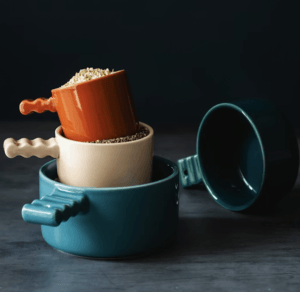
Simple Ratios:
- General Rule: Start with about 1 to 2 tablespoons of ground coffee per 6 ounces (177 ml) of water. Adjust to taste.
- Using a Scale: For even more accuracy, use 1:16 as a starting point (for example, 18 grams of coffee for every 300 grams of water for a big mug).
A scoop and a measuring cup work just fine to start, but a small digital scale is pretty handy for getting repeatable cups. Once you get used to your routine, you can make minor adjustments to really dial in your flavors to your liking.
6. Pay Attention to Brew Time and Temperature
If coffee tastes sour, weak, or really bitter, the culprit is usually brew time or water temperature. Most brewing methods are pretty forgiving, but here are some pointers that can give your coffee a real boost:
Best Results:
- Use water just off the boil (about 195–205°F, 90–96°C). Boiling water can scorch the coffee, while too cold leaves it flat.
- Don’t rush the process; follow general timing recommendations for your method:
-
- Pourover and drip: 3–4 minutes
- French press: 4 minutes
- Espresso: 25–30 seconds
Most kettles take just a few moments to cool down after boiling. Pour, wait 30 seconds, then brew. Take a moment to notice how these small timing adjustments start making every cup taste fresher and richer.
7. Upgrade Your Brewing Method, If You Want
You don’t need the latest gadgets to make better coffee, but some methods just give you a little extra. Here are some to try, each offering its own flavor and style:
- French Press: Rich and easy, with minimal gear.
- Pourover: Bright and clean, though it’s a bit handson.
- Drip Machine: Reliable and simple for bigger batches. Make sure your machine is clean!
- AeroPress: A fun, budgetfriendly option with loads of flavor.
Whatever you pick, just use something you actually enjoy using. Sometimes that means keeping it lowtech and fast, or experimenting with new gadgets when you’re in the mood. You might stumble upon your perfect brew method through a bit of trial and error.
8. Experiment and Adjust

The trick to making coffee you love is trying things out and making changes until it hits the spot. Notice a cup is too strong or too watery? Add or use less coffee. Beans too tangy? Try a darker roast or slightly lower brew temperature. If one method doesn’t do it for you, mix in some variety and try something new until you hit your preferred style.
Troubleshooting Common Problems:
- Sour or sharp? Try a finer grind or longer brew time.
- Bitter? Go a bit coarser with the grind or use cooler water.
- Weak? Increase coffee or decrease water.
Make little changes and keep notes. Find your sweet spot; that’s when coffee at home gets really rewarding. Many people even keep a small notebook by the coffee station to jot down their tweaks and results. Over time, you can look back and see what made the biggest difference in taste and satisfaction.
FAQs and Quick Fixes
Do I need expensive equipment to make great coffee?
Nope! A reliable grinder and fresh beans make the biggest difference. Fancier gear just provides more control or convenience, not necessarily better coffee.
How do I stop my coffee from tasting stale?
- Buy coffee in smaller amounts so you use it up while it’s fresh.
- Store it away from air and sunlight.
- Grind only what you need each time.
Is there a best type of coffee?
It really comes down to what you like. Try a few roasts and brewing methods, and see which one makes you happiest. Popular favorites can give you a starting point, but personal taste is what it’s all about. Tasting side-by-side is a fun way to really get a sense of what you enjoy most.
Next Steps: To Start Brewing Better Coffee Today
Upping your homemade coffee game is about making small, easy changes. With fresh beans, a few simple tweaks, and a little curiosity, you’ll be brewing cups that taste way better than what you get from just a basic drip machine with old grocery store coffee. You don’t have to spend a fortune to give your daily mug a real boost in quality and enjoyment.
Your Action Plan:
- Buy a bag of fresh, whole beans. Look for a recent roast date.
- Grind right before you brew. Start with the scoop or ratio suggestions—they help a lot.
- Be patient and experiment. Write down what you like (and what you don’t), and adjust your routine until it feels easy. If something doesn’t work, mix it up a little and check out new beans or brewing styles.
With a few tweaks, your daily cup can be one of the best parts of your morning. Enjoy that fresh coffee feeling every day! Savor every sip!