How Roasting Time Affects Coffee Flavor Profiles
Coffee lovers often wonder why their morning brew tastes so different depending on where they buy it or even which batch they choose from the same roaster. One of the biggest reasons behind these flavor switches is roasting time. I’ve spent years tasting all kinds of coffee, from the grassy brightness of lightly roasted beans to the rich, smoky punch of a dark roast, and it never stops fascinating me how much flavor hangs on just a few extra minutes in the roaster. In this guide, I’ll break down how roasting time affects coffee’s flavor profile and share some practical details that can help you decide which roast might suit your taste best.
Understanding Coffee Roasting: What Actually Happens to the Beans?
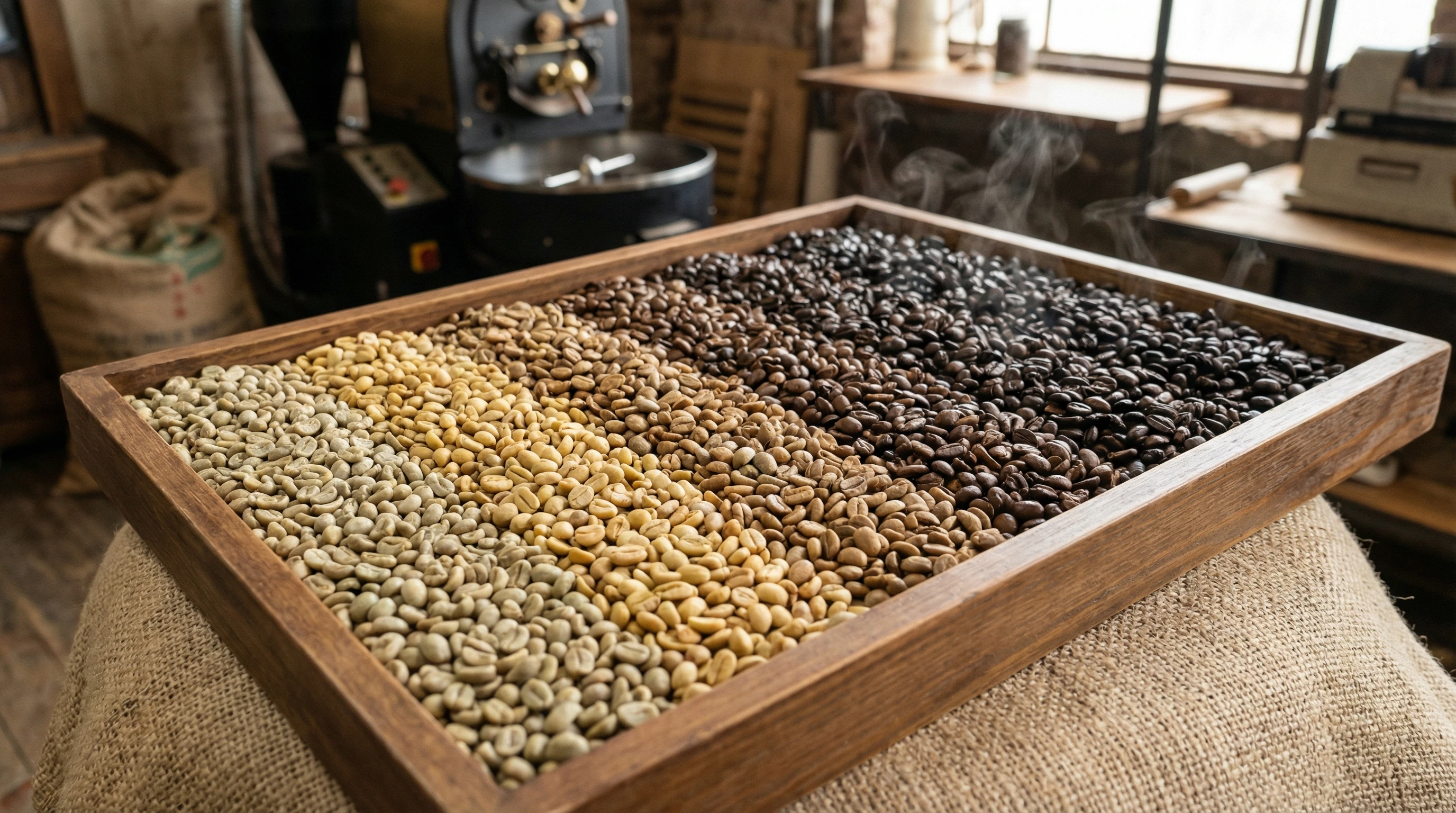
Roasting coffee transforms raw, pale green beans into the fragrant, brown beans we all recognize. Heat is the main force in letting aroma and flavor out, and every part of roasting time changes the beans’ chemistry in big ways. When coffee is roasted, several reactions—including caramelization and the Maillard reaction—help build sweetness, acidity, body, and bitterness.
I’ve found that even just an extra 30 seconds in the roaster can make a real difference in flavor. Lighter roasts usually spend a shorter time at lower temperatures, while darker roasts go for more heat and time, giving a deeper color and bolder flavor. Getting a feel for what happens to beans as they spend more or less time in the roaster is the first step to understanding what ends up in your cup each morning.
The Breakdown: Light, Medium, and Dark Roasts
Roasting time mostly determines where a coffee lands on the light, medium, or dark spectrum. If you’ve ever seen bags labeled “City,” “Full City,” “French,” or “Espresso Roasts,” that’s code for how long the beans were roasted—flavor control all the way. Here’s a quick summary of what you can expect at each stage:
- Light Roast: These beans stop roasting just after the “first crack,” which is when moisture escapes and the beans pop. Light roasts keep the original bean flavors out front, offering crisp acidity, floral notes, and sometimes a little citrus tang. Think Scandinavian style coffees or those “third wave” single origins. These roast the shortest, rarely beyond 9 to 12 minutes.
- Medium Roast: Beans here roast a little longer, past the first crack but not quite to that dark, shiny look. They find a sweet spot: acidity is toned down, chocolatey flavors and sweetness start coming up, and body gets fuller. This is the go-to for many specialty cafes and most supermarket blends, usually roasted for about 12 to 14 minutes.
- Dark Roast: Kept in the roaster until after the “second crack,” dark roasts go beyond 14 minutes and sometimes up to 18 or more. The longer roast brings the oils to the bean’s surface. Acidity mostly disappears, body becomes heavy, and you get a smoky, rich bitterness. The original bean character fades into the background, and you get more roast notes like toast and a savory edge.
How Roasting Time Affects Flavor: The Science in Your Cup

Roasting is really about balance, and time is a major lever. Here’s what happens as you play with roast time:
- Acidity: Shorter roasting times (for light roasts) keep the natural acids alive, so you get bright, lively flavors—sometimes described as “fruit-forward” or “winey.” Longer roasting breaks down those acids; that’s why dark roasts are smoother but can taste a bit flat.
- Sweetness: In my opinion, medium roasts hit a real sweet spot. As beans roast past the first stages, their natural sugars caramelize, giving you a round sweetness. Roast too long, and sweetness drops off, replaced by bitterness.
- Bitterness: Longer roasting times mean more bitter compounds. This isn’t always a negative—if you like classic diner coffee or strong espresso, you may enjoy some balancing bitterness alongside chocolate or nutty flavors.
- Body: The texture of your coffee, or body, gets heavier with more roasting time. Light roasts offer a clean feel, like tea; dark roasts can give a creamy, syrupy mouthfeel. Medium roasts sit happily between the two.
Key Roasting Stages: What to Watch For
I like to think of roasting as a road trip for each bean, with some important milestones:
- First Crack: This is a popping sound when the beans expand and moisture is released. Light roasts usually stop right at this stage, letting vibrant flavors come through.
- Development Time: The stretch after first crack is key. The amount of time here fine-tunes sweetness and balances acidity, helping deeper notes show up. Too little development can leave coffee sour or grassy; too much can risk bitterness or a burnt taste.
- Second Crack: Another pop means the beans are hitting the dark roast range. Oils make it to the surface and the roast gets deeper. If you go long after this, you’ll get the bold, smoky character of a French or Italian roast.
Why Roasting Time Choices Matter for Coffee Drinkers

Picking a roast level isn’t just about what you like—it connects to how you brew coffee and what you look for in your cup. If you’re a fan of pour over or Chemex, light roasts can really sparkle with clean, detailed notes. If you love espresso or prefer your coffee with milk, medium and dark roasts are a great fit, bringing bold flavors that don’t get overshadowed by cream or sugar.
Certain origins—like Ethiopian or Kenyan coffees—are often roasted light to let their fruity, floral notes shine. In contrast, beans from Brazil or Sumatra make a great base for medium or dark roasts, serving up sturdy flavors that work well in drip or espresso.
Roasting Time Versus Roast Temperature: Both Are Key
It’s easy to think that time is all that matters, but temperature is just as important. Higher temperatures roast beans faster, which can lead to unpredictable flavors. Roasters tinker with both factors to get a specific result. Roasting quickly at high heat can maintain brightness and even boost sweetness, but it’s easy to overdo it. A slower, gentler roast gives the roaster more control, usually resulting in a bigger and smoother body.
Common Roasting Challenges and Tips for Home Roasters
If you’re thinking about home roasting, the timing is crucial, but understanding how beans behave is just as important. Here’s what I’ve learned:
- Consistency: Use a timer and write down your results. Beans roast quickly, and missing a minute can mean the difference between delicious and burnt.
- Cooling: Cool beans fast to lock in flavors you want and prevent extra roasting after they leave the heat.
- Experimentation: Roast small batches at first so you can test different times. It’s fun to check out which flavors you like—don’t be afraid to mix it up!
If you mess up a few batches, don’t sweat it. Roasting is a mix of art and science. Track your roast times and taste your results regularly; this helps you stumble upon what makes your ideal cup unique.
The Real-Life Impact: Stories from My Coffee Quest
One of my first exposures to a real light roast was with Ethiopian Yirgacheffe, roasted right at first crack. The lemon and jasmine flavors blew me away; nothing like the usual supermarket coffee. Later, when I began home roasting, I burned more than a few batches hunting for that same bright flavor. Even a 30-second switch made a totally new cup, which showed me just how much power those extra moments have in shaping what we taste every day.
Frequently Asked Questions
Does longer roasting time mean the coffee is stronger?
Answer: Not exactly. “Strength” really comes from the coffee-to-water ratio. Longer roasts bring bolder, less acidic flavors, but they don’t carry more caffeine.
Can you roast all coffees light, medium, or dark?
Answer: Pretty much, but not every bean tastes great at every roast level. More delicate beans lose their unique characteristics if roasted too dark, and tougher beans can taste bland when roasted too light.
What’s the easiest roast level to try at home?
Answer: Medium roast is the most forgiving. It’s easier to catch the right time and temp, and the result is usually a pleasant, balanced cup.
Final Thoughts on Picking Your Ideal Coffee Roasting Time

Jumping into different roast times is all about tracking down what you enjoy most. There’s no single best answer. If you’re curious about specialty coffee, tasting a few light, medium, and dark roasts can help you figure out what matches your preferences. Home roasting makes it possible to keep mixing up your process and tasting the results. Exploring new roasts is an adventure you can go on right in your own home. Even small tweaks in roasting time will make totally new flavors, so take notes and have fun tweaking as you go.
And if you just want a reliable cup, knowing how roasting time shapes flavor can help you choose beans with confidence the next time you’re shopping. A bit of knowledge makes each cup more satisfying, and pretty soon, you’ll find yourself making every coffee a perfect fit for your taste. Savor every Sip!