Common Coffee Mistakes That Ruin Flavor And How To Avoid Them
Brewing a good cup of coffee at home is more than just a morning routine—it’s a little ritual that starts the day right. But I’ve seen plenty of folks (and, let’s be honest, I’ve done it myself) mess up their brew with a few classic coffee mistakes. Some tiny slip-ups quickly turn an exciting bag of beans into a cup that’s bitter, flat, or just plain disappointing. Here are the biggest coffee mistakes I see that ruin flavor and taste, and what you can do instead to upgrade every cup you make.
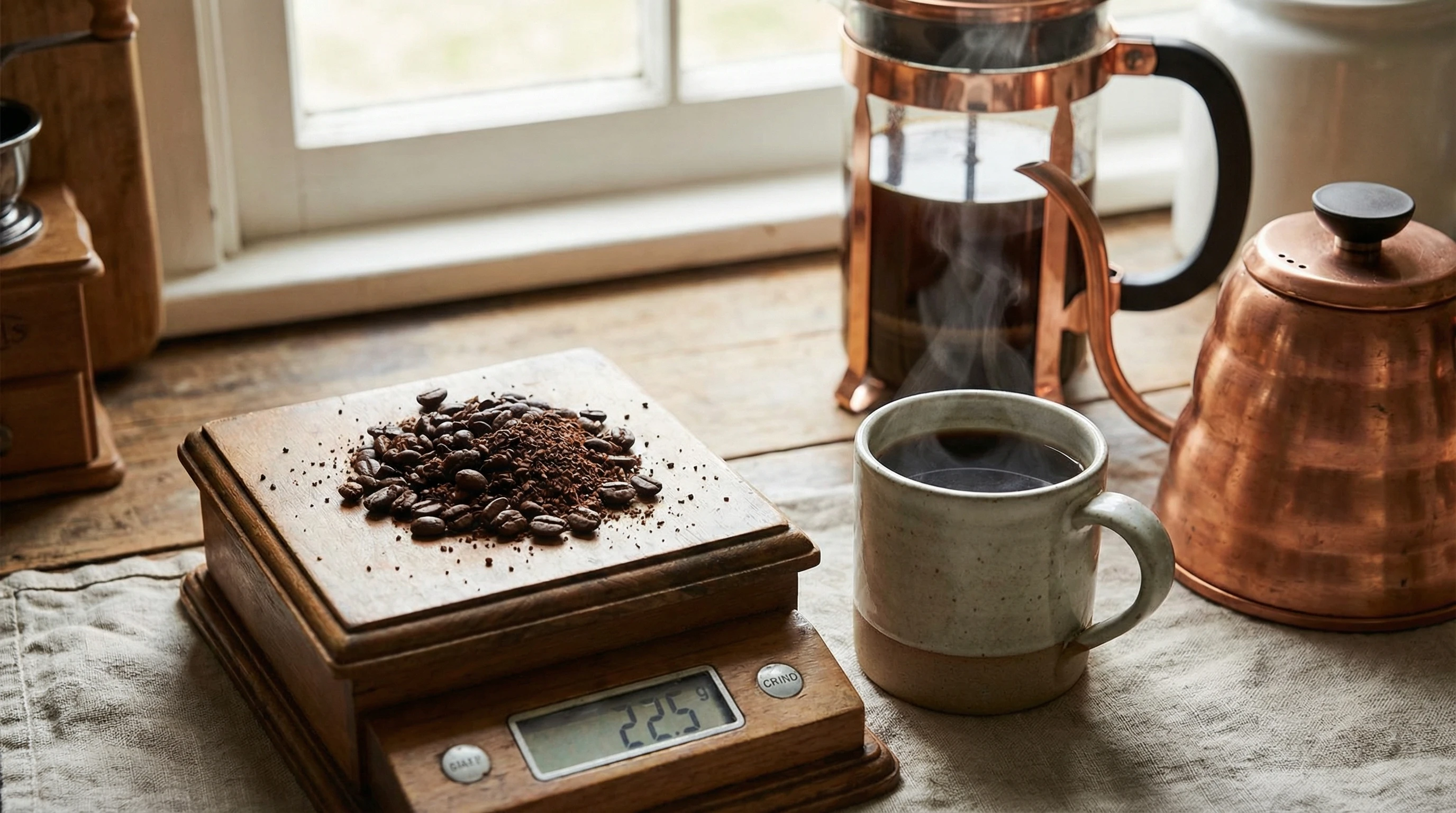
Common Mistakes That Spoil Coffee Flavor
Every great cup of coffee starts with avoiding a few all too common goof-ups. Even if you’re using good beans, missing the mark on one of these can result in a bland, sour, or burnt tasting brew. These are the main trouble spots that can turn coffee from delicious to just okay.
Using Water That’s Too Hot or Too Cold
Water temperature can really make or break your cup of coffee. Boiling water (212°F / 100°C) scorches the grounds, leaving you with burnt flavors and bitterness. On the other hand, water that’s not hot enough (below 195°F / 90°C) underextracts the coffee, making it taste sour or weak.
What to Do: Aim for a water temperature between 195 and 205°F (90-96°C). If you don’t have a thermometer, just let boiling water cool for about 30 seconds before you pour it onto the grounds.
Not Measuring Coffee or Water
Guesswork is the enemy of a balanced cup. Tossing in “about this much” coffee or randomly eyeballing the water leads to inconsistent strength and flavor. You might get harsh, bitter notes if you use too much coffee, or a watery brew when using too little.
What to Do: Use a simple coffee scale or measuring spoon. The classic ratio is about 1:15 to 1:17 coffee to water by weight (for example, 1 gram of coffee for every 15-17 grams of water). If you’re using scoops, two level tablespoons per 6 ounces of water is a good place to start.
Ignoring Coffee Freshness
Old coffee beans or preground coffee that sits around for weeks turns stale and flat. The aromatic compounds that give coffee its unique flavors start to fade right after grinding. Months old beans can create a muddy and lifeless cup, with cardboard like notes.
What to Do: Buy smaller amounts of fresh coffee beans, ideally roasted within the last few weeks. Grind only as much as you need right before brewing. Store your beans in an airtight container away from heat, light, and moisture.
How Preparation Mistakes Impact Taste
There’s more to making great coffee than pouring hot water over grounds. The way you prep and brew sets up your results. Here are a few prep mistakes that hurt the flavor, and what to try instead.
- Incorrect Grind Size: Choosing the right grind really matters. Too fine a grind in a French press makes sludge, while too coarse in an espresso machine causes weak, underwhelming shots. Getting this wrong either overextracts (making coffee bitter) or underextracts (making it watery or sour).
- Dirty Equipment: Old coffee oil and residue build up fast in brewers, grinders, and even mugs. That leftover gunk leaves your fresh cup tasting rancid and dull, masking the flavors of your actual beans.
What to Do: Match your grind size to your brewing method—medium grind for drip machines, coarse for French press, and fine for espresso. Clean out your gear with warm soapy water (or brew specific cleaners) at least once a week. Give grinders a quick brush out too!
Getting Your Brewing Method Right
Dialing in your technique is just as important as the ingredients. A little knowhow can sidestep the mistakes that drag down coffee’s natural flavor and aroma.

- Using the Wrong Brewing Method for Your Beans: Not all coffees taste best with all methods. Heavier, earthy coffees might shine in a French press, while brighter beans come alive using a pourover. If you try to force the wrong match, you might not get the best from your beans.
- Rushing the Brew Time: Cutting the brew time short or letting it drag on too long affects extraction. Underextracted coffee is thin and sharply acidic. Overextracted coffee is harsh and bitter. Both taste way off.
- Pouring Technique (for Manual Brewers): Dumping all the water in at once with a pourover or repeatedly jostling the French press can ruin a good cup. That kind of agitation messes with how evenly coffee extracts, chopping up the flavors or bringing out bitterness.
What to Do: Experiment with your method, read up on what brewing styles fit your favorite beans, and keep an eye on your timer. Try gentle, even pouring or immersion, and avoid letting coffee steep too long. Small tweaks go a long way.
Factors You Should Think About for Better Flavor
A few overlooked factors can still trip up your coffee routine. These little adjustments make a huge difference for taste and aroma.
- Water Quality: Tap water that’s super hard or chlorine heavy pretty much kills delicate coffee notes. If your tap water tastes weird on its own, your coffee will too.
- Bean Storage: Some folks keep their beans in the fridge or freezer for months. Moisture and odors sneak in, dulling all the good stuff in your beans.
- Preheating Your Brewer and Mug: Pouring hot coffee into a cold mug or using a room temperature pourover cone cools everything down quickly, making your cup taste a bit dull and flat right out of the gate.
What to Do: Use filtered water or bottled spring water if your tap water isn’t great. Store beans in a cool, dry spot—never in the fridge. Give your brewer or mug a rinse with hot water before you start brewing to keep everything at the right temperature.
Water Temperature Issues
Water that’s off temperature can create basic taste problems; overly bitter if too hot, weak or sour if too cold. Most mistakes here happen because nobody likes fussing with thermometers on a chilly morning.
What to Do: I try to boil my water, leave it to stand for 30 seconds, and then start the pour. Electric kettles with temperature control are really handy if you brew coffee every day.
Getting Coffee to Water Ratio Right
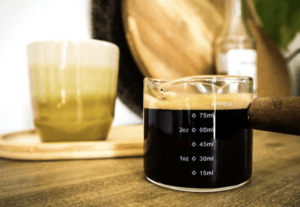
Fudging your ratios is a quick way to get muddy, overpowering, or flavorless coffee. The correct ratio lets the sweetness, acidity, and aroma shine.
What to Do: Even if you don’t own a scale, settle into a routine—with your favorite scoop or spoon, keep your measurements steady. Consistency really helps dial in your brew preferences.
Freshness of Coffee Beans
Using stale beans or grounds makes coffee lose all its spark. Surprisingly, even expensive coffee isn’t immune. If you let it sit for weeks after opening, it just tastes flat.
What to Do: Write a date on your bean container and try to finish your coffee within two weeks of opening. Grind only what you need, and keep everything sealed up tight.
Tips and Tricks for a Flavorful Cup

A few helpful habits will keep every brew tasting great; save these for your next morning at the coffee machine.
Keep a Clean Setup: Old, oily buildup lingers, and just a quick rinse is often not enough. I find a regular deepclean day is super helpful, especially for gear like grinders and French presses.
Try Different Beans and Methods: Sometimes beans just don’t mesh with your usual style. If you’re not loving one bag, try it as a cold brew or swap to a pourover for a change of pace.
Trust Your Taste Buds: Write down your favorite ratios, methods, and beans so you can repeat a great cup or change what isn’t working. Everyone’s preferences are a bit different, so a bit of trial and error pays off.
Frequently Asked Questions
Do lighter or darker roasts taste best with certain brewing methods?
Light roasts often shine in pourover or AeroPress for bright, nuanced flavors. Dark roasts work well in French press or drip, showing off their fuller body and deep notes.
How long should I let coffee steep for the best flavor?
For French press, about 4 minutes is usually right. With a pourover, shoot for 2-3 minutes. Espresso only needs around 25-30 seconds. Use a timer to keep things on track.
Is using preground coffee really that bad?
It works if you’re in a pinch, but ground coffee loses flavor fast; after a few days it’ll taste much more muted compared to grinding just before brewing. Whole bean coffee stays fresh longer.
Better Coffee without Barista Training
Making better coffee at home is about tweaking a few habits and dodging these easy mistakes. Paying attention to water temperature, grind size, brew ratio, and freshness makes a huge difference in the way every cup turns out.
Once you set up a consistent routine and get a feel for your own preferences, you’ll happily skip the coffee shop more often and savor every homemade sip.