Cold Brew Coffee: How To Make And Customize Your Own
Cold brew coffee isn’t just a trend. It’s a super chill (pun intended) and tasty way to get your caffeine fix, especially if you like smooth, rich, and less acidic coffee. If you’re curious about how to make cold brew at home, you’re definitely not alone. Making cold brew is easier than you might think, and with a few simple tricks, you can tweak it exactly to your taste. Here’s everything you need to know to get started on homemade cold brew and make it your own.
What Makes Cold Brew Coffee Unique?
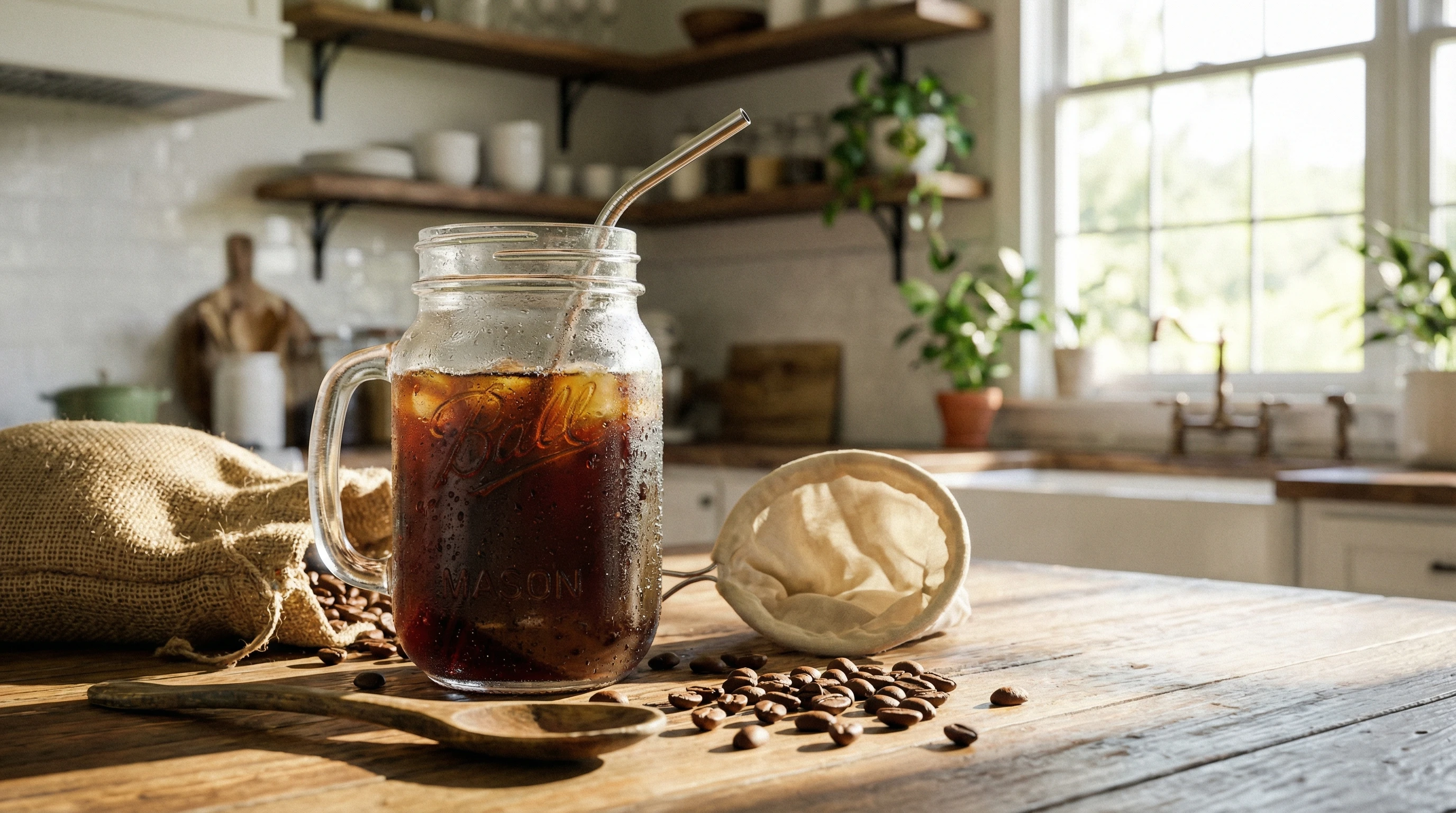
Cold brew coffee is all about steeping coffee grounds in cold or room temperature water for several hours (usually 12 to 24). Instead of using heat to extract flavor fast, cold brew lets time do the heavy lifting, drawing out flavors slowly for a smoother, less bitter taste. It tends to be less acidic than regular brewed coffee, which a lot of people love, especially if hot coffee is hard on the stomach.
Cold brew is also a super versatile base for all kinds of drinks. You can enjoy it straight over ice, diluted with water, or mixed with milk, sweeteners, and even fun syrups for custom creations. It stores well in the fridge for up to a week, so it’s handy for busy mornings or a cool afternoon pick-me-up.
Basic Equipment and Ingredients for Cold Brew
You don’t need fancy gear to start making cold brew at home. Here’s what you’ll want to gather before you get brewing:

- Coarse Ground Coffee Beans: Go for fresh, quality beans and grind them coarsely (about the size of raw sugar). Pre-ground coffee works in a pinch, but freshly ground beans make a noticeable difference.
- Filtered Water: Good water equals good coffee, so use filtered or spring water if you can.
- Jar or Pitcher: Mason jars, French presses, or regular pitchers all do the trick for steeping.
- Strainer: Cheesecloth, nut milk bags, or even a finemesh sieve handle the filtering step nicely.
Pro tip: If you want to keep things super simple, there are dedicated cold brew makers out there, but they’re not essential for beginners.
Step-by-Step: How to Make Cold Brew Coffee at Home
There’s not much fuss in making cold brew, but getting your ratios right and following a few easy steps makes a big difference:
- Measure Your Coffee and Water: Standard ratio is about 1 cup of coarsely ground coffee to 4 cups of water. You can easily double or triple this for bigger batches.
- Combine and Steep: Dump the coffee grounds into your jar or pitcher, add water, and stir to make sure all the grounds are soaked. Cover and let it steep at room temp or in the fridge for 12 to 24 hours (longer gives you a stronger brew).
- Strain Well: Slowly pour the mixture through a finemesh sieve or cheesecloth into another jar or pitcher. Repeat if needed to filter out all the grounds. The result is a strong cold brew concentrate.
- Chill and Store: Keep your cold brew covered in the fridge for up to a week. Just make sure you don’t toss it all in the first day; it’s easy to go through quickly!
This cold brew concentrate is pretty strong, so you’ll want to dilute it with water, milk, or ice before drinking. Classic starting point is about 1 part cold brew to 1 part water, but you can play around to find what you like best.
Common Mistakes to Watch Out For
Making cold brew is mostly pretty forgiving, but I’ve seen a few things trip people up:
- Grinding Too Fine: Fine grounds make filtering tough and can leave you with a sludgy, gritty drink. Stick with a coarse grind.
- UnderSteeping: If your brew tastes weak or watery, you might need to leave it longer. Twelve hours is the bare minimum for decent flavor, but 16 to 20 hours is often better.
- Not Measuring Properly: Eyeballing the ratio of coffee to water can lead to superstrong or superweak coffee. Measuring gives you predictable results.
- Forgetting to Dilute: The concentrate is powerful! Adding water or milk brings out the best flavor and keeps your cold brew from being rocketfuel strong.
How to Customize Your Cold Brew
Cold brew is like a blank canvas. You can add your own twist without messing up the process. Here are a few easy ways to make your cold brew fit your tastes:

- Play With Beans: Try different single origin beans, blends, or roast levels. Light roasts can give you fruity notes, while dark roasts are richer and bolder in cold brew.
- Add Flavorings While Steeping: Drop in extras like cinnamon sticks, orange peel, vanilla beans, or even nutmeg during the steeping phase for subtle background flavors.
- Sweeten Things Up: Simple syrup, honey, maple syrup, or sweetened condensed milk work way better than granulated sugar (which won’t dissolve in cold coffee).
- Make It Creamy: Mix your cold brew with regular milk, half & half, plant milks, or a dash of heavy cream for a smoother sip. Oat milk and almond milk are popular if you want nondairy options.
- Serve It Like a Pro: Pour over ice, blend it for a frosty treat, or top with foamed milk or a swirl of whipped cream. You can even freeze some into coffee ice cubes so your drink never gets watered down.
Things To Consider Before Getting Into Homemade Cold Brew
Cold brew is easy, but a couple of small decisions can really affect your final cup. Here are a few things I keep in mind every time:
- Caffeine Content: Cold brew concentrate packs way more caffeine per ounce than hot coffee. Diluting is important so you don’t get overcaffeinated.
- Storage: Keep your cold brew in a covered container in the fridge. It stays fresh for about a week, but after that, the flavor can go a bit flat.
- Cleanup: Dealing with wet coffee grounds can be messy. Compost them if you can, or check if your town allows food scraps in the green bin. Grounds are also good for garden soil.
- Costs: Cold brew at home is generally cheaper than hitting up a café daily, but if you use fancy beans, price can add up. Buying whole beans in bulk and grinding right before brewing helps get the most bang for your buck.
Grinding Matters
If you’re serious about quality, investing in a decent burr grinder makes a huge difference. Uneven grind leads to uneven extraction, and your cold brew might taste off. Grind fresh right before brewing for maximum flavor.
Ratios for Different Strengths

If you like stronger coffee or want to use your cold brew as an espresso replacement for lattes or iced coffee drinks, use a 1:3 or even 1:2 coffee-to-water ratio. If you want something lighter, go 1:5 or more. You can always add water or milk to tone down an extrastrong batch later.
Experimenting with Water Temperature
Most people steep cold brew in cold or room temperature water, but if you want to get more adventurous, try starting the steep with cold water and finishing with a few hours in the fridge. It sounds minor, but the flavor can mix it up in fun ways. Room temperature brewing generally brings out different flavor notes compared to steeping entirely in the fridge, so you can try both and see which you prefer. Don’t be afraid to test out different combinations, since cold brew is very forgiving and you might stumble upon a new favorite approach.
Extra Tips and Tricks for Eye-catching Cold Brew
If you’re ready to give a boost to your cold brew game, here are some fun ideas I’ve picked up as well as a few creative suggestions straight from cold brew enthusiasts:
Try “Japanese Iced Coffee” for a Twist: This method brews hot coffee directly over ice for a lighter, more aromatic iced drink; not exactly cold brew, but a cool alternative if you’re in a hurry.
Add Nitro: For a creamy, bubbly texture like coffee shops offer, you can buy little nitro cold brew kits or infuse your concentrate with a whipped cream dispenser and a nitrogen cartridge. It’s a neat way to set free next-level cool coffee at home.

Make Concentrate for Recipes: Cold brew isn’t just for sipping. Use the concentrate in baking, mix into cocktails, or drizzle over ice cream as a quick dessert hack. Cold brew brownies, tiramisu, or coffee-glazed doughnuts are all great ways to add a buzz to your treats.
Batch and Prep for the Week: Make a large batch on Sunday night. Store portions in bottles for grab-and-go convenience. It saves both time and money throughout your week.
These customizations make cold brew a fun project, not just a tasty drink.
Real-Life Cold Brew Applications
Cold brew is popular not just at home but in cafés everywhere for good reason. Here are some creative ways I use cold brew in my routine:
- Coffee on the Go: When I want my daily caffeine without waiting for hot coffee to cool, I make a big batch of cold brew and pour it into a reusable bottle for iced coffee all day.
- Impressing Guests: Serve cold brew with an ice block and fancy glassware at brunch. Add homemade vanilla syrup or cinnamon for an extra touch.
- Desserts: Pour cold brew over ice cream or churn it into homemade popsicles. It’s so good and refreshing in the summer months, and guests love the twist.
Frequently Asked Questions
Here are some common questions about cold brew that I hear a lot:
Question: Can I use any kind of coffee beans for cold brew?
Answer: Yep! Any beans work fine for cold brew. Try different roast levels and origins until you find your favorite flavor. Light roasts will sometimes taste fruitier, while dark roasts are more chocolatey or nutty.
Question: Is cold brew stronger than regular iced coffee?
Answer: Cold brew concentrate is more potent than typical iced coffee, but once you dilute it, the caffeine is close to regular hot coffee. You control the strength by adjusting your dilution.
Question: How long does cold brew last in the fridge?
Answer: Cold brew stays fresh and tasty for about a week if stored covered in the fridge. After that, it can taste a bit stale, so try to drink it within seven days for the best flavor.
Question: What if I don’t have a fancy grinder?
Answer: You can ask your local coffee shop to grind your beans coarsely, or use a regular blender or food processor if needed. The grind isn’t as even, but it works in a pinch.
Getting Started With Cold Brew Coffee at Home

Jumping into cold brew at home opens up a world of smooth, low-acid coffee for hot weather or anytime you want something different than your usual cup. Start with a basic batch, play with beans and ratios, and mix in flavors to match your cravings. Once you get the hang of it, homemade cold brew is a pretty unbeatable treat. It’s customizable, easy to make in advance, and way more budget friendly than grabbing it at a café every day.
Give it a try, and enjoy the process. Your tastebuds and your wallet will thank you! Whether you’re after iced energy for summer or just a smoother way to sip your coffee year-round, cold brew is fun and approachable for everyone. If you feel like experimenting, add flavors, play with strengths, and share your discoveries—there’s no wrong way to get into cold brew coffee at home.