Coffee Grind Size Explained – Free Printable Guide Included
If you love brewing coffee at home, you know how much grind size matters. Picking the right grind size helps bring out the unique flavors in your coffee and avoids those rough, sour, or overly bitter results that can creep in when things go wrong. I’ve found that even a small change in grind size can totally switch up the way your coffee tastes. So, whether you’re into drip, French press, or espresso, getting familiar with grind size is super important.
What Coffee Grind Size Really Means
Grind size is all about how fine or coarse your coffee grounds are. I like to think of it as the difference between breadcrumbs versus sand or rocks. Each type of coffee maker works best with a certain grind size. Get the match right, and your cup of coffee comes out amazing every time. If you use a grind that’s too fine in a French press, you might get sludge at the bottom. Too coarse in an espresso machine, and your shot may end up thin and underwhelming. Understanding grind size is like knowing the right setting on your oven; it’s simple, but it makes a big difference.
Your Guide to Coffee Grind Sizes
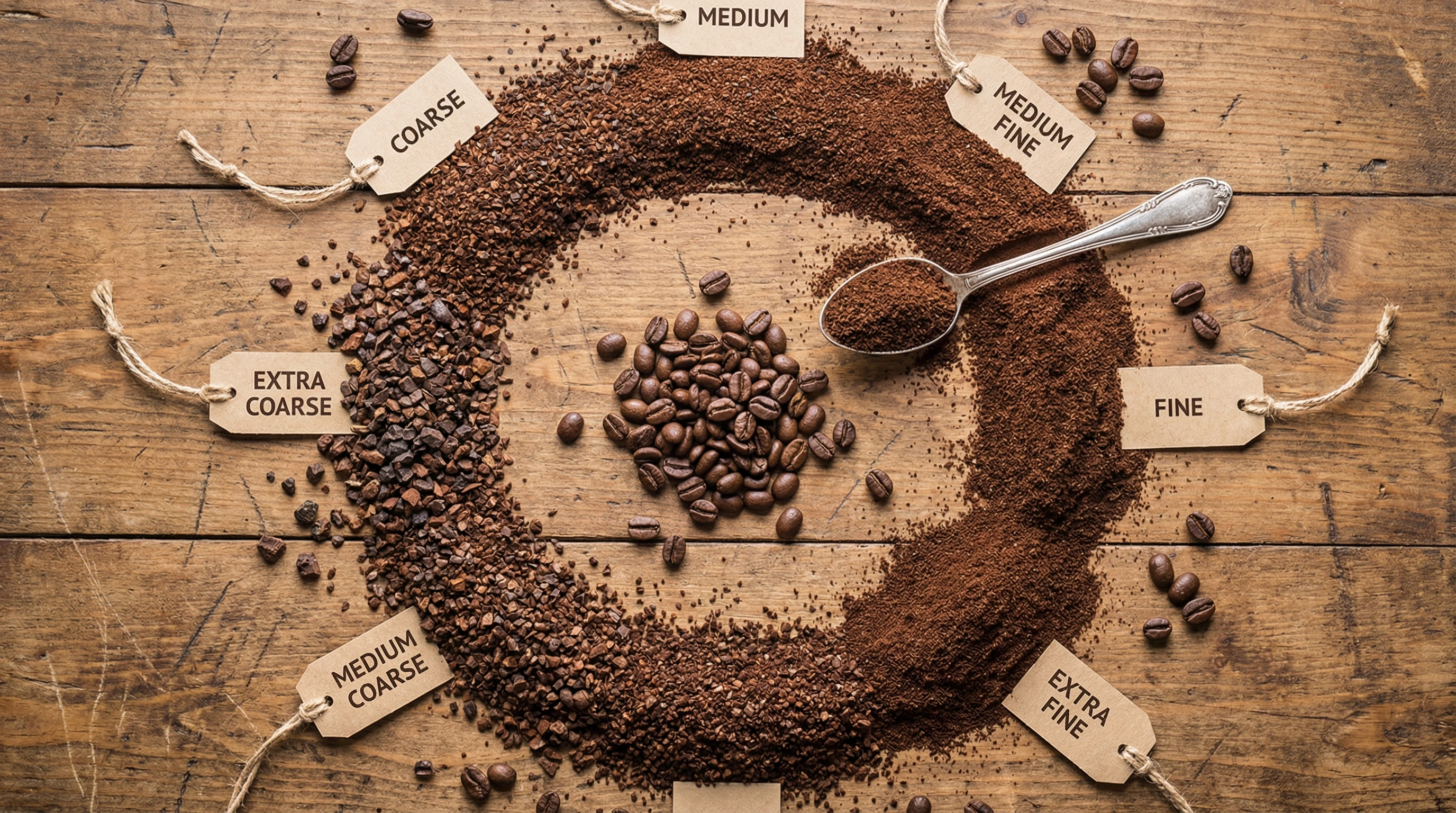
There’s a range from extra coarse all the way down to super fine. Here’s a helpful guide (printable guide below) on what each grind size looks like and when to use it:
- Extra Coarse: Chunky pieces that look almost like peppercorns. Used mostly for cold brew.
- Coarse: Like sea salt. Perfect for French press and percolators.
- MediumCoarse: Not as chunky, closer to rough sand. Good for Chemex and clever dripper.
- Medium: Kind of like regular sand. Great for drip coffee makers and siphon brewers.
- MediumFine: Just a bit finer than sand. Useful for coneshaped pour over brewers like the Hario V60.
- Fine: Feels like table salt. This is what espresso machines and Aeropress (with short brew time) need.
- Extra Fine: Powdery, almost like flour. Great for Turkish coffee.
Looking at ground coffee under good light is often the best way to get a sense of these differences. If you’re not sure, rub some between your fingers and feel the texture. Over time, you’ll be able to spot the different sizes just by touch.
Why Grind Size Makes Such a Difference
The way coffee tastes depends a ton on grind size because it controls how quickly water flows through the grounds and extracts flavors. Too coarse and water passes by too fast, leaving sour coffee. If it’s too fine and water stays too long, you’ll pull out those bitter notes. Matching your grind size to the brewing method gives you a balanced, great-tasting cup. Think about it like cooking pasta: too little or too much time, and the taste just isn’t quite right.
If you’re interested in specialty coffee or want to step up your morning cup, playing with grind size is easier (and less expensive) than buying new machines. With the right size, even budget beans can brew up an impressive cup!
Easy Printable Coffee Grind Size Chart
Here’s a simple chart you can print out, hang on your kitchen wall, or slip into a recipe binder. It’s always handy to have a reference nearby as you experiment with different brews. If you like sharing coffee knowledge, this chart can also help friends or family jump into better home brews too.
Grind Size Texture Best For
Extra Coarse. Chunky, heavy pebbles. Cold Brew
Course. Sea salt. French Press, Percolator
Medium Course. Rough Sand. Chemex, Clever Dripper
Medium Regular Sand. Drip Machine, Siphon
Medium Fine. Smooth sand. Pour Over
Fine. Table salt. Espresso, Aeropress
Extra Fine. Flour, powdery. Turkish Coffee
Just click Print in your browser or press Ctrl+P / Cmd+P to have your own copy of this chart right away. If you prefer, take a picture of the chart on your phone so you’ll always have it nearby for reference when shopping or adjusting your grinder.
 How to Choose the Best Grind Size for Your Brew
Every coffee maker and style needs its own grind size. It’s worth testing here and there since your grinder, beans, and machine might want a little tweak, but these are reliable starting points for most people:
- French Press: Go coarse. Otherwise, grounds sneak through the filter and your cup ends up gritty.
- Cold Brew: Extra coarse helps avoid overextraction during long soaking times.
- Drip Machines and Siphons: Medium grind is consistent for even water flow and clear flavors.
- Chemex or Clever Dripper: Mediumcoarse balances clean taste with good extraction.
- Pourovers (V60, Kalita Wave): Mediumfine gets more flavor but needs careful pouring.
- Espresso: Fine grind lets water push through fast enough while still making rich crema.
- Turkish: You’ll need extra fine. It’s almost like powdered sugar for thick, rich results.
If your grinder is new or you’re using different beans, a few test brews will help figure out the best setting. Write down your results to avoid repeating mistakes. Changing the grind just one step can make your morning cup go from average to next-level!
Different Coffee Grinders and What They’re Good For
I’ve tried a few types of grinders, and the grinder you pick can make a real difference in the grind quality (and your morning routine):
- Burr Grinders: These use two revolving abrasive surfaces (burrs). They make really even grinds and let you adjust grind size with the twist of a knob. Super handy for dialing in the exact size you need for espresso or pourover.
- Blade Grinders: These work like spice grinders, with a spinning blade that chops up the beans. They’re cheap and fast, but the grind isn’t very consistent. They work fine for cold brew, French press or drip, but less helpful for espresso since consistency matters most for espresso flavor and crema.
- Manual Hand Grinders: Great if you want a small, quiet, and travelfriendly option. Most let you adjust the grind size manually, and some can grind fine enough for espresso or Turkish coffee. The downside is how long you’ll be cranking, especially for a big French press! However, they don’t need electricity and can make brewing on vacation much easier.
When choosing a grinder, think about the ways you like to brew and how much flexibility you want. Burr grinders (manual or electric) are the top pick for precision and all-in-one needs.
Benefits of Getting Grind Size Right
I’ve found that dialing in grind size can seriously give a boost to every cup. A good match between grind size and brewing method means you won’t have to worry about weird flavors or accidentally pouring wasted coffee down the drain. It can save money on beans, help you get more from even budget gear, and makes morning routines more enjoyable. Plus, it feels rewarding to dial in that perfect cup once you know what your gear likes best. Friends might even ask for your recipe when you serve up your best-tasting coffee!
Getting grind size right also helps cut down on waste, since fewer bad brews means fewer dumped cups. You’ll also spot little upgrades that can make your coffee corner more fun—like new jars for beans, or a simple scale for more accurate measuring.
Common Grind Size Questions
How do I tell if my grind size is off?
If your coffee tastes sour or watery, your grind is probably too coarse. If it’s bitter or harsh, it’s likely too fine. Checking the look and feel of your grounds against a chart will help keep things on track, and over time you’ll be able to spot issues right away. If the brew is inconsistent, consider cleaning your grinder or checking for dull blades.
Do I really need a burr grinder?
I recommend one if you’re into espresso or pour over, since they’re much more consistent. If you’re happy with big batches for French press or cold brew, a blade grinder is fine. I started with a blade grinder and still use it for cold brew. There are some affordable hand burr grinders options to consider when you are looking to switch.
How often should I adjust my grind size?
It helps to tweak your grind when you change beans, switch machines, or notice a change in taste. Even weather and humidity can make a difference sometimes. If the coffee isn’t tasting right, tiny grind adjustments may solve the problem right away.
More Tips for Coffee Lovers
- If you’re switching to a new coffee method, always check your grind size first before playing with brew times or water ratios. It’s the quickest way to fix problems with taste or texture.
- Measure your beans and water for consistent results. Small kitchen scales are really helpful, and they’re cheap. Consistency here means you can easily repeat your best brews.
- Keep your grinder clean, especially if you use oily beans. This avoids weird, stale tastes in your cup. Cleaning just takes a couple minutes and keeps things tasting fresh.
- Label your favorite grind settings for each brew style. Use a marker or tape to make quick changes in the morning.
- Buy whole beans in small amounts and store them in airtight containers for fresher coffee and more consistent grinding.
Getting a feel for grind sizes is a small skill with a big payoff. Once you find what you like, you’ll save beans, money, and time. Even if you’re totally new to coffee, this simple guide and handy chart will point you toward the perfect cup every single day. Take your coffee adventure a step further and share your newfound knowledge with friends, making every coffee break a little more memorable!