The Origin of Coffee Beans: How Origin Impacts Flavor, Body & Aroma
Figuring out why certain coffees taste fruity, earthy, or even a bit spicy always got me curious early on. The answer is all about where those beans come from. The origin of a coffee bean has a pretty huge effect on how your cup ends up tasting, smelling, and feeling. If you’re working on expanding your coffee knowledge or just want to make better choices when you buy beans, understanding flavor by origin can totally change your game. Here’s my take on how bean origins shape the experience in your mug, plus some helpful tips for finding what suits you best.
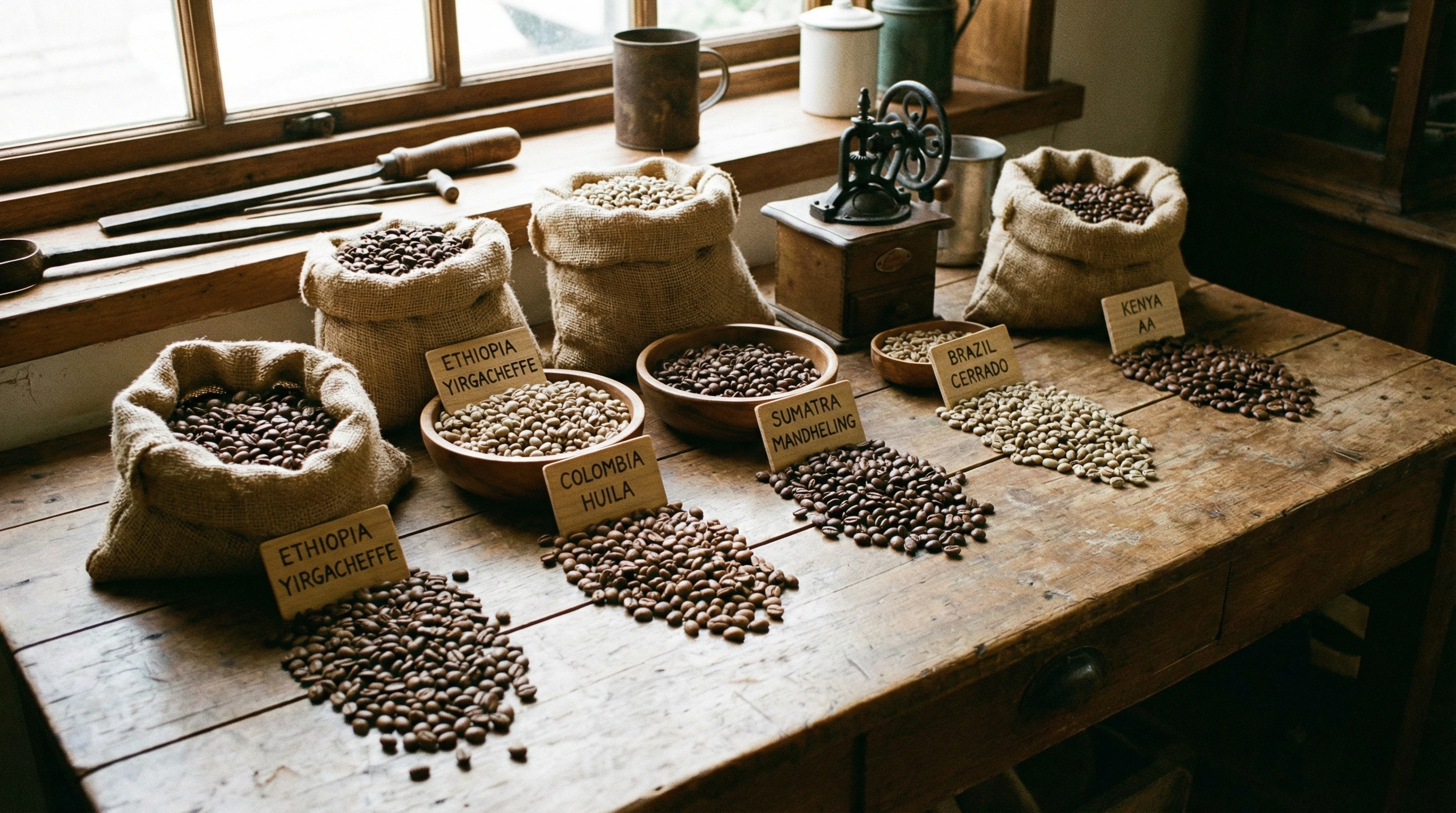
Coffee Bean Origins: Why Where Coffee Grows Changes Everything
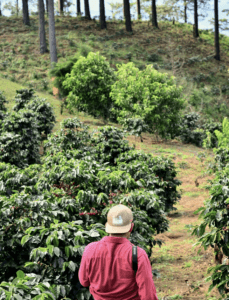
Coffee’s adventure starts on a farm, and the landscape, altitude, and even the local weather all leave their mark on each bean. These factors are what coffee folks call “terroir,” basically, the taste of a place. Coffee grown in volcanic soil at high altitudes will turn out quite different than beans grown in tropical lowlands. The soil, climate, and even nearby plants or wildlife all help shape a coffee’s individual flavor profile.
Regions famous for coffee, such as Ethiopia, Colombia, and Sumatra, have signature tastes that you might recognize with a little practice. Beans from Ethiopia often have bright, floral, or even berryish notes, while Sumatran beans can feel earthy, bold, and sometimes even chocolatey. These differences aren’t just fun trivia; they show up with every brew.
Some fans even collect beans from small villages or experimental lots in these countries simply for the flavor adventure. So if you’re a coffee fan looking to mix in some variety, this is a great way to start.
The Basics: How Origin Influences Flavor, Body, and Aroma
Origin isn’t only about the country itself. Sometimes, just crossing a valley in the same country can affect how beans taste. Here’s a quick look at elements from an origin that influence coffee’s main qualities:

- Climate: Cooler climates slow down bean growth, giving the seed more time to develop complex flavors. Hotter climates usually mean simpler, more robust flavors.
- Altitude: Generally, higher elevation equals denser beans, resulting in more pronounced acidity and brighter, clearer flavors.
- Soil: Volcanic soil tends to give coffee beans deep, sometimes almost tangy flavors, while rainforest or clay soils often mellow things out.
- Processing: Even before roasting, the way beans get dried and handled after harvest—with wet, dry, or honey processing—makes a noticeable difference in the final taste.
With all those influences mixed together, each growing area leaves its own “fingerprint” on the beans, making every cup a little different.
Popular Coffee Growing Regions and Their Tasting Notes
Most of what ends up in your cup comes from the “coffee belt” circling the Equator. Here are some well-known regions and what you can usually expect from their beans:
- Ethiopia: Lively acidity, floral aroma, berry and citrus notes, and a lighter body.
- Colombia: Balanced taste, medium body, mild citrus or red fruit flavors, and sometimes a touch of nuttiness.
- Brazil: Lower acidity, chocolate and nutty tones, heavy body—perfect for espresso blends.
- Sumatra (Indonesia): Earthy, herbal, spicy, with a thick body and a hint of funkiness.
- Kenya: Bright citrus, syrupy body, lively acidity, and lots of juicy, black currant flavors.
- Yemen: Deep, rich, often with dried fruit and chocolate undertones and sometimes hints of wine or spice.
Within these countries, different regions or farms can create very different coffees. Sampling a few from each place helps you train your palate and spot what you love.
Quick Guide: Tasting Coffee by Origin
Tasting coffee like a pro just takes practice and a willingness to notice the small stuff. Here’s how to start figuring out which origins light you up:
- Choose Single Origin Beans: These are labeled by country, region, or farm and make it easy to track where flavors come from.
- Use Consistent Brewing: Stick to the same brewing style when comparing origins. It keeps your results fair.
- Write Down Impressions: Take simple notes on aroma, sweetness, acidity, body, and aftertaste. Jotting down your taste impressions helps to remember favorites.
- Try Different Roasts: Light roasts show off unique origin flavors best. Medium and dark roasts bring out body or aftertaste notes but may mute origin details.
- Trust Your Preferences: The best flavor is what you like drinking. Whether it’s chocolatey Brazilian or lively Kenyan beans, stick with your favorites.
What to Consider When Picking Beans by Origin
When you’re shopping for beans, thinking about origin goes beyond just tasting cool new flavors. Here are some things to keep in mind for consistently exciting coffee:
- Freshness: Origin-driven beans should be freshly roasted. Even the best beans go stale if they’ve been sitting too long.
- Roaster Reputation: Some roasters love certain regions. Try those who clearly tell you where their coffee comes from and how they roast it.
- Price vs. Experience: Beans from some regions (like Panama’s Geisha) can be pricy. Sometimes, it’s worth the splurge, but plenty of affordable single origin beans taste awesome too.
- Certifications and Ethics: Many special beans are marked fair trade, organic, or direct trade. These can mean responsible farming and higher quality.
Freshness
If you want flavors from a specific origin to stand out, look for beans roasted within a couple weeks. Ask your shop about their roasting schedule or check for “roasted on” dates. Beans get stale fast, and those amazing fruity, spicy, or earthy notes can vanish quickly.
Roaster Reputation
Not every roaster is the same. Some really put effort into sourcing beans transparently and roasting them to highlight regional flavors. Getting to know a few trustworthy roasters makes exploring new regions a breeze.
Price vs. Experience
High-end origins like Jamaican Blue Mountain or rare micro lot beans can get expensive. But you don’t need to break the bank to taste regional differences. Plenty of mid-priced single origin beans from reliable farms deliver bold and tasty flavor.
Certifications and Ethics
Certifications such as Direct Trade, Rainforest Alliance, and organic point toward ethical and eco-friendly farming. This can bring better quality for you and more info on how beans were grown and harvested.
The right origin and roaster can really transform your coffee routine. Exploring beans from different places makes shopping fun and turns every cup into an adventure.
Advanced Tips: Get Into Origin Flavors
If you’re ready to dig into origins, here are some deeper ways to explore:
Cup with Friends or at Tastings: If you know coffee lovers or find a cafe that hosts “cupping” sessions, jump in. Trying multiple origins side by side is a next-level cool way to train your senses and compare flavors directly.
Try Different Processing Methods: The way beans are handled after picking has a huge impact on taste. Natural process coffees develop more fruitiness, while washed beans are usually cleaner and brighter. Look for these terms on coffee bags and sample both styles to spot the difference.

Pair Coffee with Food: For a little fun, try pairing! A buttery croissant makes a fruity Ethiopian even more eye-catching, while nutty Brazilian beans work great with chocolate. Playing around with food and coffee together is an easy way to stumble upon new favorite combinations, and it helps you spot which origins work best at different times of day.
Get Curious About Microregions: Within countries, even small changes in geography or farm practices make a big difference in flavor. Dig into regional info on the bag and ask your roaster if possible. Tiny regions sometimes deliver unforgettable flavors at affordable prices.
Everyday Uses: Picking Coffee by Origin for Different Brews
Knowing where your coffee comes from helps you match beans and brews to any mood:
- Espresso: Beans from Brazil or Sumatra, known for chocolatey or earthy richness, punch through milk or shine for straight shots.
- Pour Over: High grown Ethiopian or Kenyan coffees shine here. Their bright fruitiness and lively acidity sing in a pour over or Chemex.
- Cold Brew: Nutty Central Americans and earthy Indonesians make bold, smooth cold brew that stands up to ice and cream.
- Auto Drip: Mellow Central or South Americans work best when you need an easy, reliable cup to kick off the day.
There’s no perfect formula, just mix and match origins to what you’re feeling or how you like to brew—variety is half the fun.
Frequently Asked Questions
When people get into specialty coffee, they ask a bunch of smart questions about how bean origin affects flavor. Here are a few top ones:
Question: Does single origin always taste better than blends?
Answer: Not always. Blends are created for balance and consistency, while single origins highlight unique traits you might love (or not). Go with what tastes good to you.
Question: Why do coffees from Africa taste so fruity or floral?
Answer: African coffees, mainly from Ethiopia and Kenya, are grown at elevation using local heirloom varieties with classic processing. That combo unlocks bold, bright, fruity, and floral notes you probably won’t find elsewhere.
Question: Can I trust coffee origin labels?
Answer: Most top-notch roasters are honest about sourcing and even list the farm or cooperative. If you’re not sure, stick with brands that supply all the origin details and ethical certifications like Direct Trade or Fair Trade.
The Takeaway: Exploring Origins for the Best Cup
Once you start noticing origin, each cup becomes a mini adventure. Beans from different places show off flavors like tiny bursts of berry, deep earthiness, or mellow sweetness. Don’t let rules slow you down—try lots of beans, jot notes, and keep the ones that make you happy. Playing with origins is the fastest way to step up your coffee game without any extra hassle.
Ready to get started? Pick a bag from a new country or region next time you shop and see what fun flavors you stumble upon. Who knows, you might track down a new favorite, or just love mixing things up each week! Savor the Sip!