Best Coffee Grinders: Burr Or Blade
Coffee lovers know that how you grind your beans can make or break your brew. Whether you’re aiming for a smooth French press or a punchy espresso, the grinder you use really matters. I’ve spent plenty of mornings adjusting my grinder and testing brew methods, and there’s a pretty interesting split in the coffee world; burr or blade grinder? In this guide, I’ll explain the differences, offer tips on choosing the right one, and help you figure out what fits your style best.
Why a Good Coffee Grinder Really Matters
Grinding fresh coffee beans is one of the easiest upgrades you can make to your morning ritual. A solid grinder helps lock in flavor and gives you more control over your brew’s strength and texture. Old coffee grinders can make your cup taste bland or even bitter, but getting the grind size right improves flavor, aroma, and consistency.
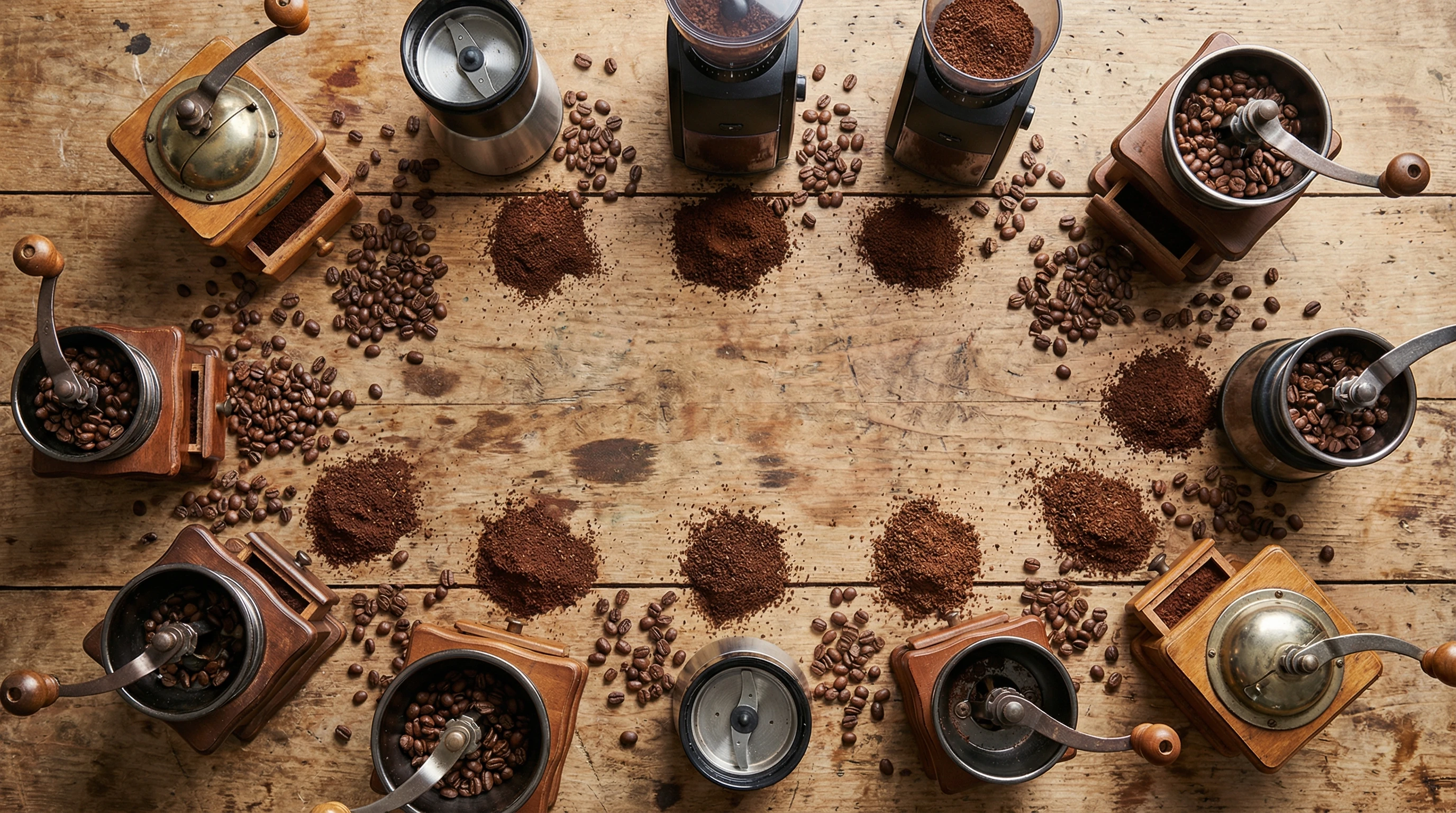
Coffee grinders come in two main types; burr and blade. Each style has quirks, strengths, and downsides. Understanding how each grinder works helps you avoid muddy coffee and brings out the best in your beans.
People get attached to their brewing routine, but sometimes sticking with an old blade grinder holds back your coffee’s potential. With the rise in specialty coffee shops and more folks making craft coffee at home, having a grinder that fits your needs has never been more accessible or, honestly, more fun.
Comparing Burr vs Blade Coffee Grinders
The burr versus blade argument pops up almost everywhere in the coffee world. It’s not just hype either; how these grinders work leads to very different results in your cup.

- Burr Grinder: Uses two abrasive surfaces (burrs) that crush beans to a uniform size. This style is prized for control over grind size and consistency, which really matters for brewing methods like espresso and pourover.
- Blade Grinder: Uses a spinning metal blade that chops beans into small pieces. The grind can be unpredictable, leading to larger chunks mixed with powdery dust, which impacts taste.
Both grinder types will turn beans into grounds, but the difference in the cup and in the details is pretty striking. Burr grinders tend to cost a bit more, but they’re often worth the investment for anyone who enjoys fresh coffee daily.
Choosing the Right Grinder for Your Needs
It’s easy to get swept up by all the gadgets out there, but the best coffee grinder is the one that matches how you like to brew and your budget. Here are some things I’ve learned through my own trial and error:
- Consistency: Burr grinders deliver even grounds, which leads to better flavor. Blade grinders are sometimes tempting due to price, but uneven grinding can cause your coffee to taste harsh or sour.
- Control: If you like to switch between French press and moka pot (or even cold brew), an adjustable burr grinder comes in handy. Blade grinders are tough to control unless you want the same coarse grind every time.
- Capacity: For single cups or small batches, most grinders work just fine. If you brew for a crowd, look for a larger hopper or the ability to grind multiple batches quickly.
- Cleaning: Burr grinders can collect oils and grounds inside, so plan on a little extra upkeep. Blade grinders are easier to wipe clean but can retain old flavors if not washed out often.
- Noise: Burr grinders tend to be quieter. If you’re up before the rest of the house, this is a big plus.
How a Coffee Grinder Improves Your Brew
Beans start losing their flavor the second they’re ground. Using a good grinder right before you brew helps seal in freshness and allows you to adjust grind size depending on how you make your coffee. For example, espresso calls for a fine grind, while pourover works best with something a bit coarser.
I used to think preground beans were convenient, but everything changed when I picked up my first burr grinder. Suddenly flavors were brighter, and even cheaper beans started tasting a lot better. The uniformity in grind size makes extraction more predictable, so you get sweet, balanced, and smooth cups more often.
- French Press: Needs a coarse, even grind to avoid muddy brews and unwanted grit at the bottom.
- Espresso: Requires a fine, precise grind for proper shot extraction and a creamy crema.
- Pourover: Works best with medium grind for clarity in the cup and more complex flavors.
Burr Grinders: What Makes Them So Popular?
Burr grinders are often the goto choice for people who want to step up their coffee game. They come in two styles: flat burr and conical burr. Both do a good job, but conical burrs tend to be a bit quieter and need less upkeep.
Some of the biggest reasons people choose burr grinders include:
- Ability to adjust grind size for any brew method (great if you love experimenting).
- Better consistency, which equals smoother and richer coffee.
- Longterm durability. Investing upfront saves money compared to replacing a cheap blade grinder every year.
Manual burr grinders are also available. They don’t need electricity and are portable. I like using mine when I travel or camp; it feels pretty satisfying to grind beans by hand, and the control over the grind is still top notch.
Blade Grinders: Good for Beginners, Not Just Cheap Alternatives
Blade grinders often get a bad rap in the specialty coffee community, but they have their place. For someone brand new to home grinding or on a tight budget, blade grinders are fast, compact, and easy to use.
Why you might try a blade grinder:
- They’re usually a lot more affordable.
- They take up very little space and are lightweight.
- Perfect if you only want to brew simple drip coffee or don’t mind a little inconsistency.
There’s a bit of a learning curve; you’ll need to pulse in short bursts and give the grinder a shake to get a more even grind. Sifting your grounds can also help if you want a cleaner brew. If you just want to break away from preground beans and aren’t fussy about perfect cups, a blade grinder is still a huge upgrade.
Tips for Getting the Most from Any Coffee Grinder
- Grind Right Before Brewing: This preserves the coffee’s natural oils and flavors for a fresher cup.
- Clean Regularly: Grinders pick up oils from beans that can turn rancid after a while. Use a brush or wipedown for blade grinders. Burr grinders can often be taken apart for a deeper clean.
- Experiment with Brew Ratios: Try different amounts of coffee and grind sizes until you find your personal favorite combo.
- Check Your Water: Sometimes a flat tasting coffee is due to hard or soft water, not the grinder. If your coffee still doesn’t taste right, try filtered water for better results.
Things to Think About Before You Buy
Picking a coffee grinder can be confusing with all the models and brands out there. Here’s what I suggest keeping in mind:
- Budget: Burr grinders cost more upfront, but the bump in quality is obvious in your daily cup if you’re brewing often.
- Counter Space: Some grinders are pretty chunky. A compact blade grinder can squeeze into tight kitchens, while burr grinders sometimes sit out on the counter as a dailyuse appliance.
- Noise Level: Early risers might want something on the quieter side to avoid waking up the whole house.
- Features: Some burr grinders let you time your grind, offer different grind levels, or come with large hoppers for storing beans. Decide what you’ll actually use before paying extra for features.
Blade Grinder: Worth a Try?
If you’re just getting started with coffee gear, a blade grinder is a big step up from preground coffee. I started on one before moving on to a burr grinder, and the convenience was hard to beat. For basic autodrip or cold brew, a blade grinder will absolutely do the job.
Burr Grinder: Best for Enthusiasts
When you want more consistency, smoother flavors, and flexibility for different brewing styles, a burr grinder becomes the better option. It’s a great buy for anyone who enjoys making coffee at home daily, or for those who want to impress friends with café style drinks.
Frequently Asked Questions About Coffee Grinders
Is a burr grinder really better than a blade grinder?
Burr grinders offer more consistency and control, which produce better tasting coffee overall. Blade grinders still work for daily use, just with a few sacrifices in flavor and uniformity.
Are manual grinders tough to use?
Manual grinders can take a little muscle, but they’re super portable and pretty quiet. They’re great for travel or if you want a hands-on approach to grinding.
How often do I need to clean my grinder?
I like to brush out my grinder every few uses and do a deep clean once or twice a month, especially if I switch between different beans or blends.
Wrapping Up
Finding the right coffee grinder is all about fit and feel. Burr grinders offer more control and better results, but even blade grinders are a definite upgrade from preground coffee. Freshly ground beans make every brew taste brighter and more complex. Whether you’re making coffee for one or sharing with friends, grinding your beans at home is a small change that makes a huge difference in flavor and experience. Enjoy the process, experiment a little, and see how much better your daily cup can be!
If you’re curious and want to track down more reviews and comparisons, check out resources from coffee professionals, or join online forums where homebrewers swap advice and tips. The world of grinding is bigger than ever, so have fun exploring and making your perfect cup!