How To Brew Great Coffee Without Fancy Equipment
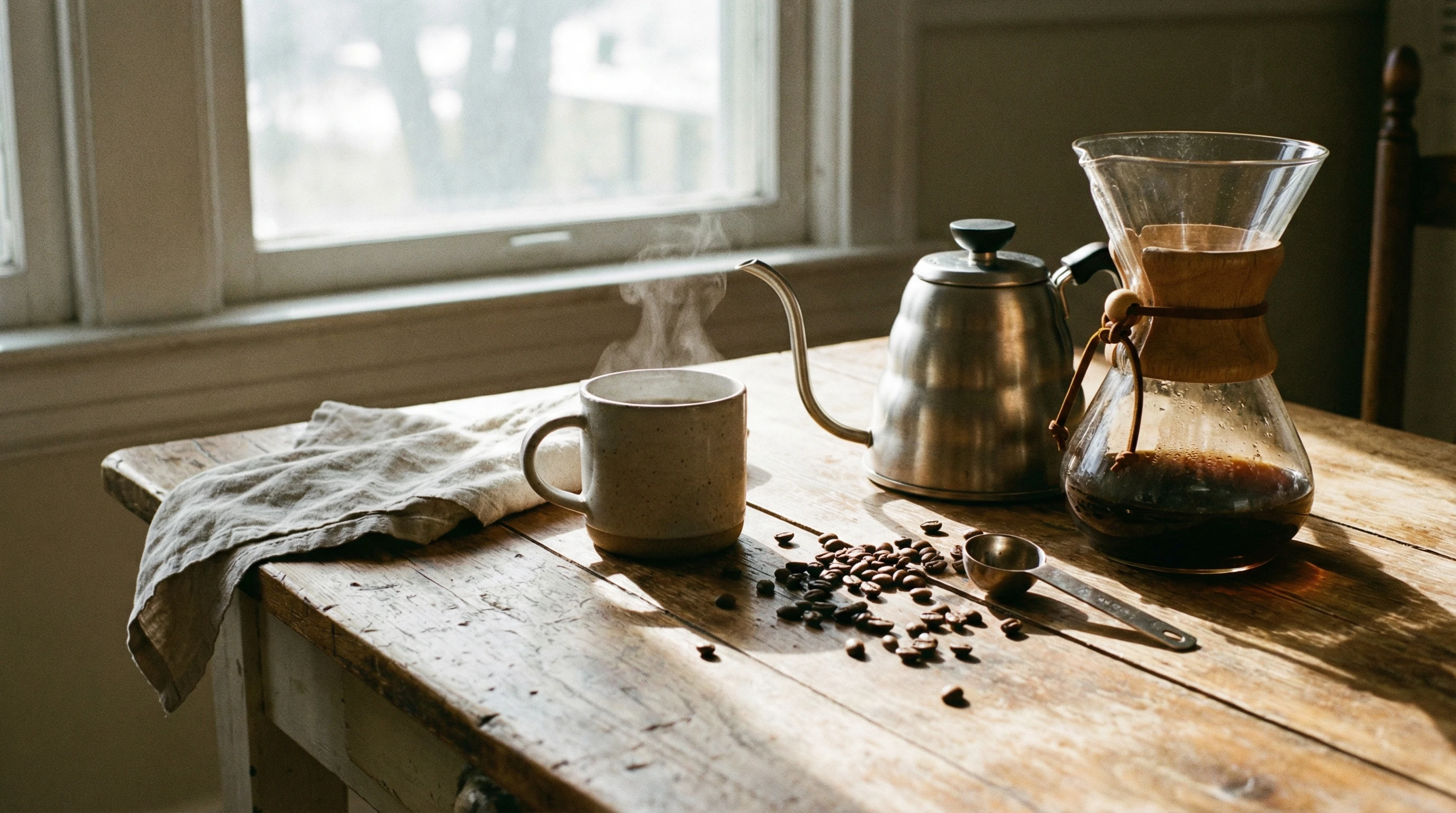
Brewing a great cup of coffee at home doesn’t mean you need to splurge on the latest gadgets or high-end espresso machines. With just a few everyday items and a bit of knowhow, you can whip up a delicious cup of coffee right in your kitchen—no fancy tools required. I’m going to show you practical, easy ways to make your home brewed coffee taste even better, even if all you have is a kettle and some ground coffee.
Why Simple Coffee Brewing Works So Well
You don’t need a highend espresso machine or a fancy drip setup to make really tasty coffee. Sometimes, the best brews come from simple gear and paying close attention to what you’re doing. Many coffee lovers start with basics like a plain old kettle and a cup, and they often stumble upon flavors that are richer and more satisfying than storebought drinks.
Fancy gear can definitely be fun, and sometimes convenient, but great tasting coffee is more about using good ingredients, understanding the process, and making a few smart choices along the way. Brewing your own coffee doesn’t just save money, it’s also a cool way to personalize your morning routine and track down what flavors you like most.
The Basic Ingredients You’ll Need
With coffee, starting simple often leads to better results, especially if you focus on the ingredients. Here’s what I always keep on hand:
- Fresh Coffee Beans or Ground Coffee: Fresher is always better. If you can, buy whole beans and grind them yourself. If you only have ground coffee, just check the roast date to make sure it’s not stale.
- Clean Water: Coffee is mostly water, so using filtered or bottled water can really make a difference. Avoid hard or heavily chlorinated tap water because it messes with the taste.
That’s really all you need! Optional add-ons like sugar, milk, cinnamon, or syrups can help tailor your brew to your own tastes.
Easy Coffee Brewing Methods Without Fancy Equipment
Making coffee with minimal equipment is less intimidating than it sounds. Here are some reliable techniques that work almost anywhere, from your home to a campsite:
1. Cowboy Coffee
This oldschool method is all about simplicity. Just heat water in a kettle or saucepan until it’s hot, but not boiling. Remove it from the heat, add your ground coffee (about two tablespoons per cup), and let it steep for about four minutes. The grounds will settle at the bottom. Carefully pour the coffee into your mug, sipping slowly to avoid the grounds. The result is a strong, robust brew.
2. Coffee Bag (DIY Teabag Style)
If you have paper coffee filters or even cheesecloth, scoop two tablespoons of ground coffee onto the center, tie it up with string like a teabag, and drop it into your mug. Pour hot water (just off the boil) over the bag, steep for four to five minutes, then remove the bag. Super easy, very little mess, and the taste is usually quite smooth.
3. Improvised Pourover

No pourover cone? No worries. Just shape a paper coffee filter into a cone and set it in a funnel or even hold it over your mug. Spoon the grounds into the filter, then slowly pour hot water over the coffee in small circles, letting it drip through. This gives a clean, bright cup and lets you really play with how strong the coffee turns out.
4. Steeping Like Tea (Immersion)
Put your ground coffee right in your mug and add hot water. Give it a quick stir and let it steep for a few minutes. When most of the grounds sink, gently blow on the surface or pour carefully to leave the grounds behind. This method is popular for its simplicity and hands-off feel.
Key Tips for Better Coffee Without Special Gear
Small tweaks in your routine go a long way toward better coffee. Here are a few things I always keep in mind:
- Mind Your Coffee to Water Ratio: I’ve found that two tablespoons of coffee for every six ounces of water is a good starting point, but don’t be afraid to adjust for a stronger or milder brew.
- Watch Your Water Temperature: Water that’s just off the boil (about 195°F to 205°F, or just as bubbles start forming) works best. Too hot, and your coffee turns bitter. Too cool, and it’ll taste flat.
- Don’t Rush the Steep: Giving coffee enough time to extract is really important. Four minutes is the sweet spot for most immersion style methods.
- Go for the Freshest Beans: Grinding beans right before brewing gives a boost in terms of aroma and flavor.
Common Things That Throw Off Your Brew
I’ve had my share of offtasting cups, all because I overlooked a few basics. Watch out for these habits; they’re easy to fix:
- Old Coffee: Stale or improperly stored beans lose aroma and depth fast. I try to store mine in an airtight container away from sunlight.
- Water Quality: Chlorine and minerals in tap water can leave your coffee tasting funky. If in doubt, filtered water is worth the effort.
- Grind Size: If your coffee is too bitter or weak, the grind might be the culprit. A medium grind usually works for improvised brewing.
- Letting Grounds Sit Too Long: Oversteeped coffee gets bitter, so I keep an eye on the time and pour as soon as it’s ready.
Water Matters More Than You Think
Since coffee is mostly water, bad tasting water leads to bad tasting coffee. I’ve tried brewing with both tap and filtered water, and the difference is huge. Good water brings out the sweetness and rich notes in good beans.
Choosing Coffee for Simple Brewing
Certain types of beans taste great even with the most basic setups. Lighter roasts make for a lively, tangy taste that really pops, while medium or dark roasts bring out smooth, bold flavors. Try a few to see what you like; it’s a cheap way to explore!
Getting Creative: Simple Ways to Upgrade Your Brew
Every once in a while, I like to mix things up for a unique cup:
- Add a pinch of cinnamon or cardamom to the grounds for a warm, spiced kick.
- Stir in raw honey or brown sugar for natural sweetness.
- Try stirring a splash of vanilla extract or a square of dark chocolate into hot coffee for a dessert like twist.
Another creative twist involves playing with the type of water you use. If you want to experiment, try making your coffee using sparkling water. This can give your cup a unique, gentle fizz and bring out subtle flavor notes, though it’s definitely not for everyone. If you enjoy sweet drinks, you might also try homemade coffee syrups made from simple syrup steeped with flavors like orange peel, nutmeg, or ginger. These little touches can easily take your morning mug up a notch.
Frequently Asked Questions
How fine should my coffee be ground?
Mediumcoarse grind works well for most simple brewing methods. If you go finer, like what you’d use for espresso, your coffee can get too bitter unless you shorten the steep time.
Can I use instant coffee if I have no filters?
Absolutely. While it’s not the same as freshly brewed, instant coffee is quick and can be tasty with some tweaks, like adding spices, sweeteners, or using filtered water.
My coffee tastes weak—what can I do?
Try adding an extra spoonful of grounds, steep a minute longer, or pour slower if you’re using a makeshift pourover. Little changes can help a lot.
How do I store coffee without it going stale?
To keep your coffee fresh, store it in a cool, dark place in an airtight container. Avoid clear containers, as light can break down flavor compounds. It’s best not to freeze your beans if you’re going to use them within a week or two.
Can I reuse coffee grounds for a second cup?
You can, but the second brew will be much weaker and missing depth. If you want to cut down on waste, old grounds can be used in your garden as fertilizer or to scrub pots and pans.
Wrapping Up: Enjoying the Process and Results

Making great coffee doesn’t depend on having a bunch of fancy tools. Using fresh coffee, clean water, and attention to a few simple details can give you a cup that rivals what you’d get at a coffee shop, and it’s totally customizable to your own taste.
The best part about this stripped-back approach is that you get a better sense of what works for you, making every cup a small personal victory. It’s worth trying a few different methods and beans until you find what makes getting up in the morning a little more enjoyable. Experiment, have fun, and soon enough you’ll be making home coffee that fits your tastes perfectly. Savor every sip!